The Invisible Infrastructure of Climate Delay: How Fossil Fuel Interests Captured America's Permitting System
In 2019, the Mountain Valley Pipeline — a 303-mile natural gas project cutting through Virginia and West Virginia — received its final federal permit in just 18 months despite fierce local opposition and significant environmental concerns. Meanwhile, the Champlain Hudson Power Express, a transmission line designed to carry clean hydroelectric power from Canada to New York City, has been trapped in regulatory review for over a decade, despite having full financing, state approval, and broad public support.
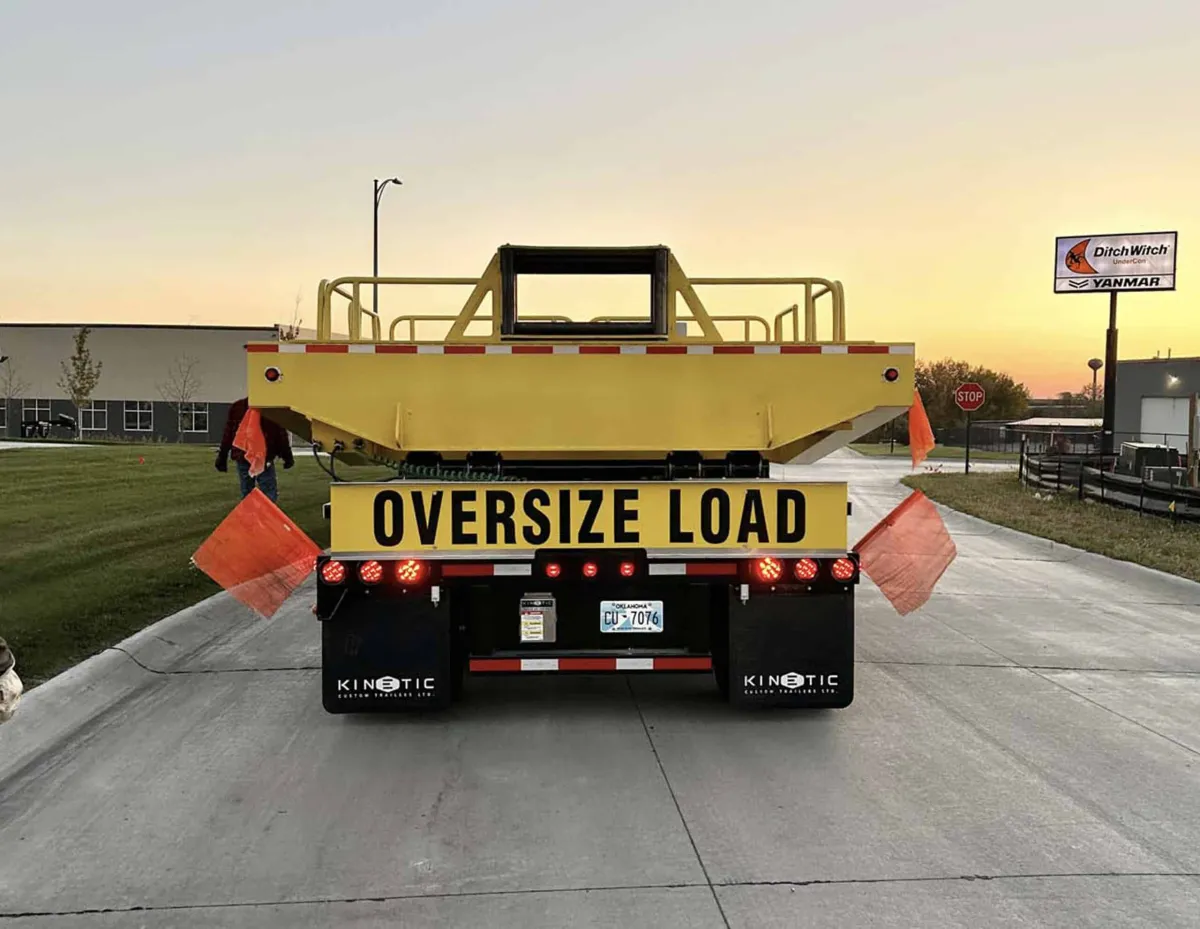 Photo: Champlain Hudson Power Express, via www.keellc.com
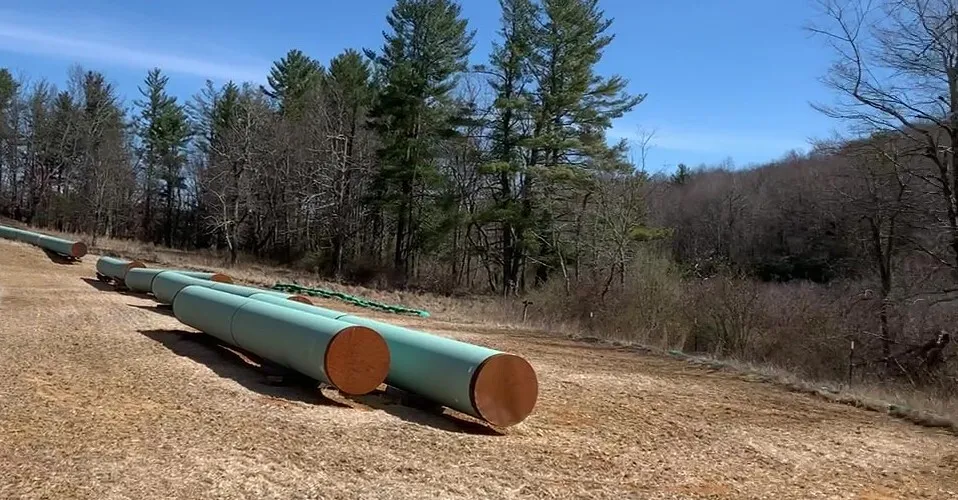 Photo: Mountain Valley Pipeline, via static.politico.com
This isn't bureaucratic incompetence — it's the deliberate result of a permitting system that fossil fuel lobbyists have weaponized to strangle clean energy infrastructure while greasing the skids for oil and gas expansion. While America's climate goals require rapid deployment of renewable energy, the very regulatory framework meant to enable this transition has been captured by the industries fighting to prevent it.
The Great Permitting Divide: Two Systems, One Goal
Federal data reveals a permitting system with two distinctly different tracks. Oil and gas projects approved by the Bureau of Land Management average 107 days from application to approval. Natural gas pipelines under Federal Energy Regulatory Commission review take an average of 225 days for environmental assessment.
Compare this to clean energy infrastructure: offshore wind projects average 4.5 years for federal approval, while transmission lines connecting renewable energy to population centers take an average of 7.2 years. Solar installations on federal land face an average 3.8-year approval process, even for projects on previously disturbed sites with minimal environmental impact.
The Department of Energy's own analysis found that transmission permitting delays cost the clean energy sector $8.4 billion annually and prevent the deployment of enough renewable capacity to power 12 million homes. Meanwhile, the fossil fuel industry receives streamlined approvals that have enabled a drilling boom adding 2.1 million barrels of daily oil production since 2020.
The Litigation Weapon: Delay as Strategy
Behind the permitting disparities lies a sophisticated legal warfare campaign orchestrated by fossil fuel interests and their allied think tanks. The American Energy Alliance, funded by Koch Industries and ExxonMobil, has filed over 200 lawsuits challenging clean energy projects since 2015, compared to just 12 challenges against oil and gas infrastructure.
These aren't good-faith environmental concerns — they're strategic delay tactics designed to make clean energy economically unviable. A single lawsuit can add 2-3 years to project timelines, during which financing costs compound, supply chain contracts expire, and investor confidence erodes. The Institute for Energy Economics found that litigation delays increase clean energy project costs by an average of 23%, often pushing developments past the threshold of financial viability.
The American Petroleum Institute's internal documents, revealed through Freedom of Information Act requests, show explicit strategies for using "procedural challenges" to "increase the cost and timeline uncertainty of competitive energy projects." This isn't environmental protection — it's economic sabotage disguised as legal process.
Regulatory Capture in Plain Sight
The permitting system's bias becomes clear when examining staffing and funding patterns. The Bureau of Ocean Energy Management, responsible for offshore wind permitting, operates with a budget of $187 million and 560 staff members to oversee renewable energy development across 1.7 billion acres of federal waters.
Meanwhile, the Bureau of Safety and Environmental Enforcement, handling offshore oil and gas permitting, receives $200 million and employs 850 staff to manage a mature industry with established infrastructure and procedures. The resource allocation ensures that emerging clean energy faces bottlenecks while fossil fuel expansion proceeds smoothly.
The revolving door between regulators and industry compounds these structural advantages. A Center for Responsive Politics analysis found that 73% of senior FERC officials who left the agency between 2015-2022 joined firms representing fossil fuel companies, compared to just 12% who joined clean energy organizations. This career pipeline creates obvious incentives to favor the industries that offer lucrative post-government employment.
The NEPA Weaponization
The National Environmental Policy Act (NEPA), designed to ensure environmental review of major projects, has been systematically weaponized against the very clean energy development it should prioritize. Fossil fuel-funded groups routinely invoke NEPA to challenge renewable projects while remaining conspicuously silent about oil and gas developments with far greater environmental impact.
The result is perverse: NEPA reviews for solar farms on degraded agricultural land take longer and cost more than reviews for fracking operations in pristine wilderness areas. The law meant to protect the environment has become a tool for protecting polluting industries from clean competition.
Consider the Ivanpah Solar Electric Generating System in California, which faced four years of NEPA review and multiple lawsuits over its impact on desert tortoises. Meanwhile, the nearby Kern River Gas Transmission Pipeline expansion — crossing the same sensitive habitat — received approval in 14 months with minimal environmental review.
State-Level Obstruction: The Laboratory of Delay
State governments have followed the federal playbook, creating additional barriers for clean energy while expediting fossil fuel projects. Texas — despite leading the nation in wind energy — requires renewable projects to navigate 47 different state and local permitting processes, compared to 12 for oil and gas developments.
Florida's legislature passed legislation in 2022 requiring additional environmental studies for offshore wind projects while simultaneously streamlining approvals for oil drilling in state waters. The message is clear: environmental protection matters only when it blocks clean energy.
North Dakota created a "fast track" permitting process for oil infrastructure that reduces approval times to 60 days while maintaining standard timelines for renewable projects. These aren't neutral regulatory frameworks — they're deliberate policy choices to advantage fossil fuels over climate solutions.
The Infrastructure Imperative
The permitting crisis has created a devastating bottleneck for America's climate response. The Lawrence Berkeley National Laboratory estimates that 930 gigawatts of clean energy projects — enough to power 70% of current U.S. electricity demand — are trapped in transmission interconnection queues, largely due to permitting delays.
Meanwhile, the International Energy Agency warns that global renewable deployment must triple by 2030 to avoid catastrophic climate change. America's current permitting system makes this timeline impossible, effectively guaranteeing climate failure through bureaucratic obstruction.
The economic cost is staggering: Goldman Sachs estimates that permitting delays will cost the U.S. economy $2.3 trillion in lost clean energy investment by 2035, while China's streamlined approval process attracts manufacturing and deployment that could have occurred domestically.
The Human Stakes
Behind these regulatory machinations lie communities desperate for clean energy access and climate action. In Puerto Rico, where residents endure frequent blackouts from an aging fossil fuel grid, proposed solar and battery projects have languished in federal review for over three years while the island imports expensive oil to generate unreliable electricity.
Rural communities in Iowa and Kansas that could benefit from wind energy revenue watch projects canceled due to transmission permitting delays, while their local economies struggle and young people migrate to urban areas with better opportunities.
Meanwhile, frontline communities bear the health costs of continued fossil fuel dependence. The American Lung Association estimates that air pollution from oil and gas operations causes 200,000 premature deaths annually — deaths that could be prevented by the clean energy infrastructure trapped in permitting purgatory.
Reform or Climate Failure
Several solutions could break the permitting stranglehold. Congress should establish separate fast-track processes for clean energy infrastructure, with statutory deadlines for agency review and automatic approval if timelines aren't met. Litigation reforms could require challengers to post bonds covering delay costs and demonstrate legitimate environmental concerns rather than economic obstruction.
The Biden administration has made modest progress through executive action, but transformative change requires legislative intervention. The choice is stark: reform the permitting system or abandon America's climate commitments to bureaucratic sabotage.
The Moment of Truth
Every month of continued permitting dysfunction moves catastrophic climate change closer to inevitability. The fossil fuel industry understands this timeline urgency — that's why they've invested so heavily in bureaucratic obstruction rather than technological competition.
They can't stop the clean energy transition through market forces, so they're trying to delay it through regulatory capture until climate tipping points make the transition irrelevant.
America stands at a crossroads: reform the permitting system to enable rapid clean energy deployment, or watch climate goals disappear into an endless maze of fossil fuel-engineered bureaucratic delay — and time is the one resource we can't afford to waste.