The Legislation Avalanche
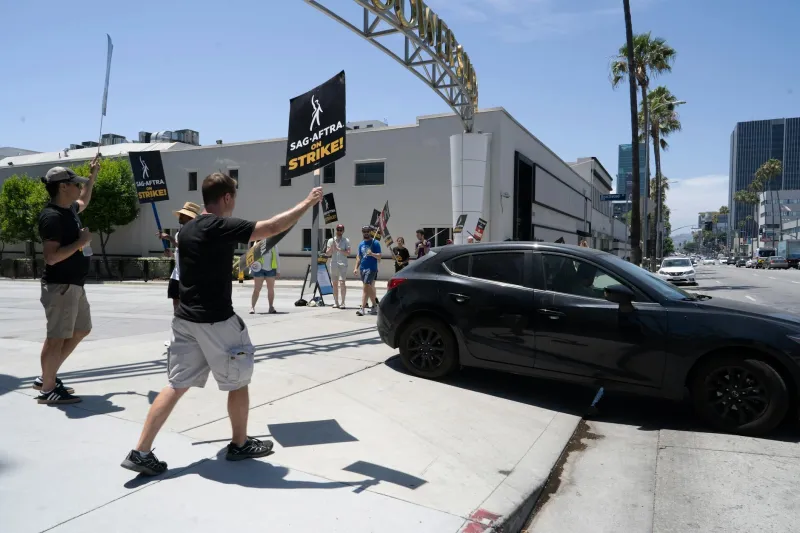
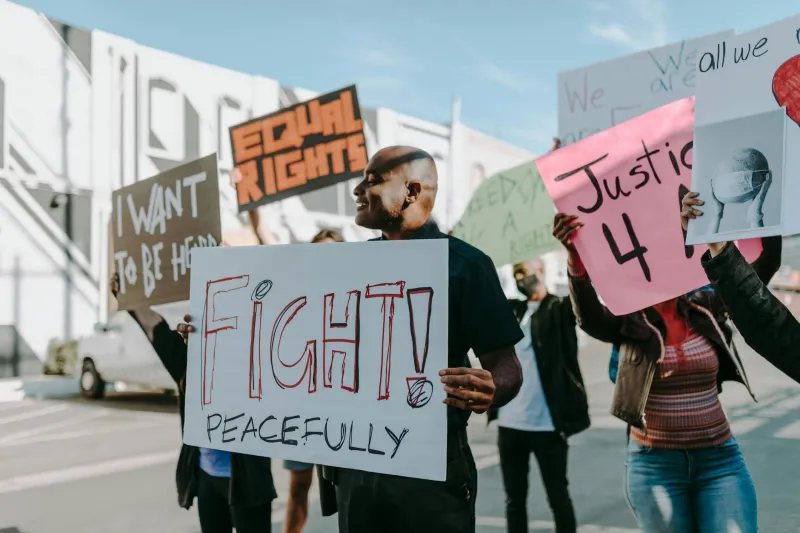
In the wake of the 2020 Black Lives Matter protests, Republican-controlled state legislatures embarked on an unprecedented assault on the constitutional right to protest. According to the International Center for Not-for-Profit Law, at least 45 states introduced over 230 bills restricting protest activities between 2020 and 2023, with more than 100 becoming law.
These aren't isolated responses to local concerns—they represent a coordinated national strategy to criminalize dissent. The American Legislative Exchange Council (ALEC), a corporate-backed organization that provides model legislation to conservative lawmakers, has been instrumental in spreading these restrictions across state lines. The message is clear: challenge corporate power or state authority at your own penal risk.
The timing isn't coincidental. As climate activism intensifies, Indigenous communities assert land rights, and economic inequality sparks widespread protests, those in power are preemptively criminalizing the very tools that have driven social progress throughout American history.
Turning Misdemeanors Into Felonies
The new laws employ a deceptively simple strategy: reclassify traditional protest activities as serious crimes carrying severe penalties. In Florida, Governor Ron DeSantis signed legislation making it a third-degree felony to obstruct traffic during a protest—a charge that can result in up to five years in prison. Similar laws in Texas, Oklahoma, and North Dakota have turned pipeline protests into potential terrorism charges.
These statutes deliberately blur the line between violent crime and civil disobedience. North Dakota's "critical infrastructure" law, passed in response to the Standing Rock protests, makes it a felony punishable by up to 30 years in prison to "tamper with" oil pipelines—a definition so broad it could criminalize protesters who simply touch a fence.
The escalation is intentional. By transforming misdemeanor trespassing into felony charges, these laws don't just punish protesters—they strip them of voting rights, employment opportunities, and housing access for life. The message isn't subtle: dissent will destroy your future.
Targeting the Most Vulnerable
While these laws claim to protect public safety, their enforcement reveals their true purpose: silencing specific communities whose activism threatens powerful interests. Indigenous land defenders have faced particularly harsh prosecution under these statutes. The Line 3 pipeline protests in Minnesota resulted in over 900 arrests, with many activists facing enhanced charges under the state's critical infrastructure law.
Climate activists have similarly found themselves in the crosshairs. In Louisiana, protesters opposing petrochemical expansion have been charged under laws originally designed to combat terrorism. The irony is stark: those fighting to protect communities from environmental destruction face harsher penalties than the corporations poisoning them.
Student protesters have also been targeted. Campus demonstrations against war, police violence, or university investments in fossil fuels now risk felony charges under expanded definitions of "disruption" and "intimidation." At universities across Texas, Florida, and Georgia, students face expulsion and criminal prosecution for activities that would have been considered routine campus activism just a decade ago.
The Corporate Backers
These laws didn't emerge organically from grassroots concerns about public safety. They were crafted by corporate interests seeking to insulate themselves from accountability. The oil and gas industry, facing intensified opposition to pipeline construction and fracking operations, has been particularly active in pushing critical infrastructure legislation.
ALEC's model "Critical Infrastructure Protection Act" has been adopted, with minor variations, in over a dozen states. The legislation was developed with input from energy companies and private prison corporations—entities with obvious financial interests in criminalizing environmental activism. Campaign finance records show that lawmakers who sponsored these bills received substantial contributions from fossil fuel companies and private prison operators.
The police and prison industrial complex has also championed these laws. Private prison companies like CoreCivic and GEO Group lobbied heavily for legislation that would increase incarceration rates, while police unions supported measures that expanded law enforcement authority and budgets.
Constitutional Challenges and Judicial Responses
Civil liberties organizations have challenged these laws in federal court, arguing they violate First Amendment protections for free speech and assembly. Some victories have emerged: a federal judge struck down South Dakota's "riot boosting" law as unconstitutionally vague, while courts in other states have narrowed the scope of critical infrastructure statutes.
However, the judicial response has been inconsistent. Conservative-dominated federal circuits have been more willing to uphold restrictions, particularly when they're framed as content-neutral public safety measures. The Supreme Court's rightward shift makes comprehensive constitutional protection increasingly unlikely, leaving protesters vulnerable to prosecutorial overreach.
The legal challenges face a fundamental problem: these laws are often written with just enough precision to survive constitutional scrutiny while remaining broad enough to chill protest activity. Prosecutors can selectively enforce them, targeting activists while ignoring similar behavior by non-protesters.
The Chilling Effect in Action
The laws' effectiveness doesn't depend solely on prosecution—their mere existence deters protest activity. Activists report that potential supporters withdraw from demonstrations when they learn about possible felony charges. Organizations struggle to recruit volunteers when participation could result in life-altering criminal records.
This chilling effect extends beyond direct participants. Journalists covering protests face arrest under laws criminalizing "interference" with police operations. Legal observers documenting police misconduct risk prosecution for "obstruction." The result is a information blackout that serves law enforcement and corporate interests.
The financial impact compounds the deterrent effect. Felony charges require expensive legal representation that most activists cannot afford. Even when charges are eventually dropped, defendants may spend months in jail or years fighting prosecution, effectively punishing them without conviction.
International Perspective: Authoritarian Playbook
These restrictions place the United States in troubling company internationally. Authoritarian regimes from Russia to Egypt to Hong Kong have employed similar strategies to suppress dissent: gradually criminalizing protest activities while maintaining the facade of legal process.
The United Nations Special Rapporteur on the right to peaceful assembly has specifically criticized the U.S. trend toward criminalizing protest, noting that many state laws violate international human rights standards. European allies have expressed concern about the deterioration of American civil liberties, particularly regarding environmental and Indigenous rights activism.
This international isolation matters beyond diplomatic relations. American credibility in promoting democracy and human rights abroad crumbles when domestic policies mirror authoritarian tactics. How can the U.S. criticize Chinese suppression of Hong Kong protests while criminalizing similar activities at home?
The Historical Pattern
American history demonstrates that significant social progress requires sustained protest and civil disobedience. The abolition of slavery, women's suffrage, labor rights, civil rights, and environmental protection all emerged from movements that deliberately violated unjust laws.
The current wave of anti-protest legislation follows a familiar pattern: when established power structures face sustained challenge, they attempt to criminalize the challenge rather than address its underlying causes. The 1960s civil rights movement faced similar legal attacks, with Southern states passing laws criminalizing demonstrations and sit-ins.
The difference today is the coordination and sophistication of the response. Corporate-funded legal organizations have created a nationwide infrastructure for suppressing dissent that operates across state lines and political jurisdictions. The threat is more systematic and better resourced than previous efforts.
Fighting Back: Resistance and Reform
Despite these restrictions, protest movements continue to adapt and resist. Activists are developing new tactics that avoid criminal liability while maintaining pressure on targets. Digital organizing, economic boycotts, and electoral engagement have partially compensated for restricted street protest.
Some states have moved in the opposite direction, strengthening protest protections. California has expanded legal protections for protesters, while New York has limited police surveillance of political activities. These state-level victories demonstrate that the authoritarian trend isn't inevitable.
Federal intervention may be necessary to protect constitutional rights consistently. Congressional Democrats have proposed legislation that would prevent states from criminalizing peaceful protest and ensure federal prosecution of officials who violate protesters' civil rights.
The Democracy Stakes
The assault on protest rights represents more than policy disagreement—it threatens the foundational democratic principle that citizens can challenge authority without fear of persecution. When governments criminalize dissent, they signal that power derives from force rather than consent.
The current moment demands clarity about what kind of society Americans want to live in. Will we accept the gradual criminalization of democracy's essential tools, or will we defend the right to challenge injustice that has driven every significant advance in American history?
The answer will determine whether future generations inherit a democracy capable of self-correction or an authoritarian system that protects power by silencing its critics.
In a nation built on the revolutionary principle that governments derive their authority from the consent of the governed, making dissent a crime is making democracy itself illegal.