The 'Free Speech' Billionaires: How Tech Oligarchs Co-opted a Civil Liberties Movement to Silence Workers and Crush Accountability
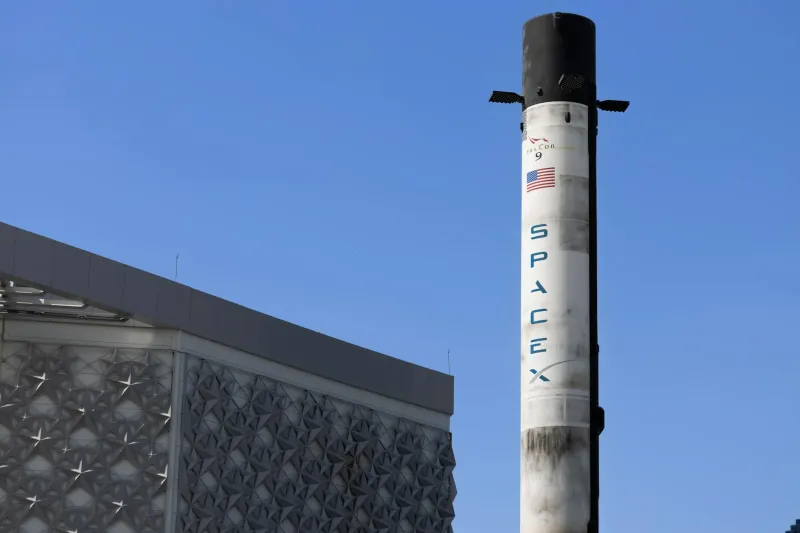
Elon Musk calls himself a "free speech absolutist." It's a compelling brand, wrapped in the language of civil liberties and constitutional principles. But examine his actions since acquiring Twitter — now X — and a different picture emerges. This isn't about protecting everyone's right to speak. It's about weaponizing the rhetoric of free expression to shield the powerful while silencing those who challenge them.
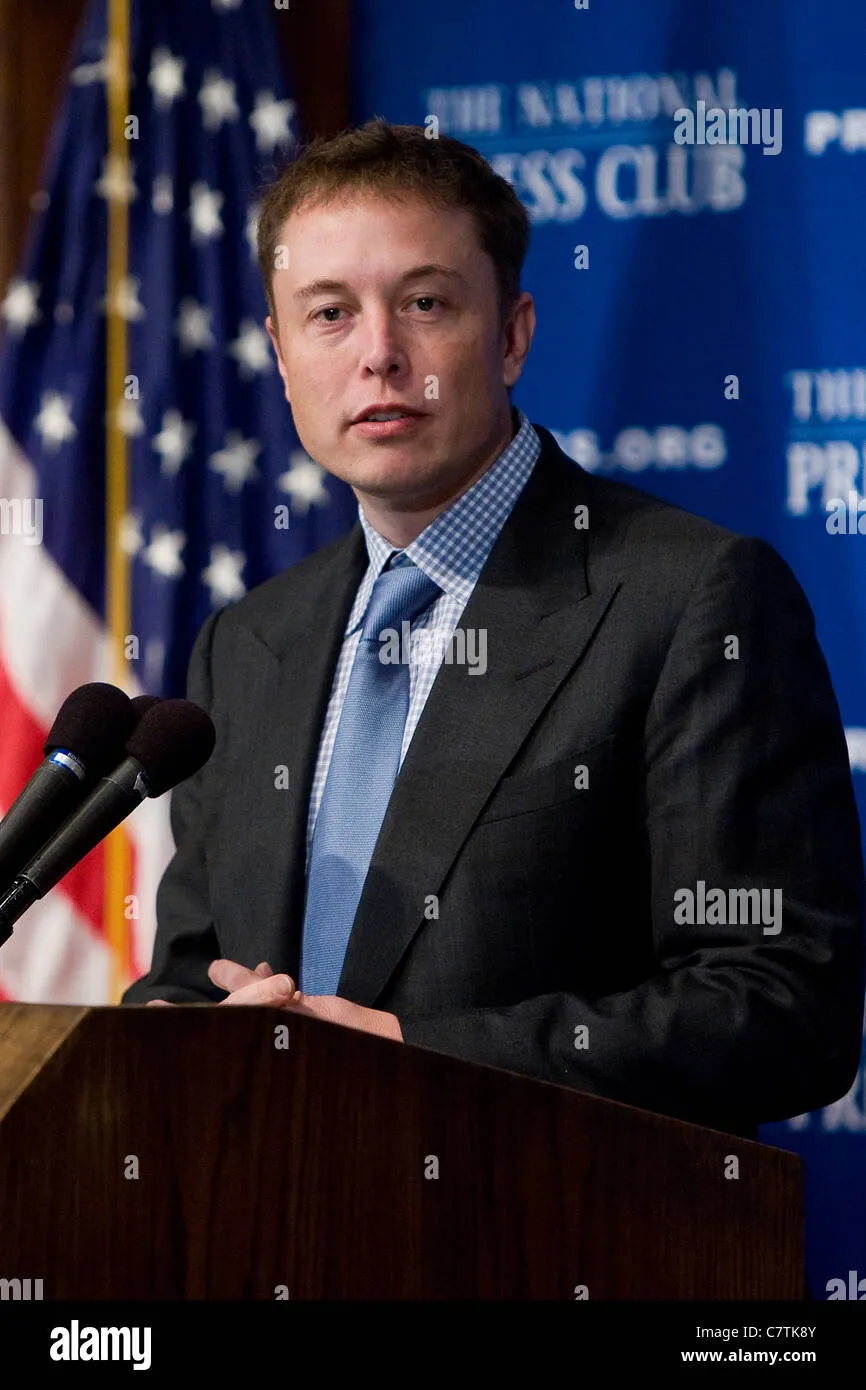 Photo: Elon Musk, via c8.alamy.com
The Selective Application of 'Free Speech'
Musk's version of free speech absolutism has curious blind spots. When journalists like Donie O'Sullivan and Keith Olbermann criticized his policies, they found themselves suspended. When the account @ElonJet tracked his private flights using publicly available data, it was banned for "doxxing" — despite the fact that Musk had previously said he wouldn't touch it because he was such a principled defender of free expression.
 Photo: Keith Olbermann, via i.iheart.com
Meanwhile, accounts spreading conspiracy theories, harassment, and disinformation flourished. The platform reinstated users who had been banned for targeted harassment while simultaneously throttling content from news organizations and researchers documenting the platform's descent into chaos.
This isn't an accident or oversight. It's a deliberate strategy that reveals the true nature of billionaire "free speech" advocacy: protecting the speech they like while finding creative ways to suppress the speech they don't.
The Worker Silencing Playbook
The pattern extends far beyond social media moderation. Across Silicon Valley, tech billionaires have deployed "free speech" arguments to justify firing workers who speak out about company practices, workplace conditions, or ethical concerns.
When Google employees organized against the company's work with immigration enforcement, executives invoked "free speech" principles — not to protect the workers, but to argue that their criticism created a "hostile work environment" for colleagues who supported the contracts. The workers were fired.
When Amazon warehouse workers tried to organize unions and speak publicly about safety conditions, the company's response wasn't to engage with their concerns but to launch sophisticated surveillance and disinformation campaigns designed to identify and silence organizers. Jeff Bezos, another self-styled free speech champion, spent millions on union-busting consultants while positioning Amazon as a defender of open dialogue.
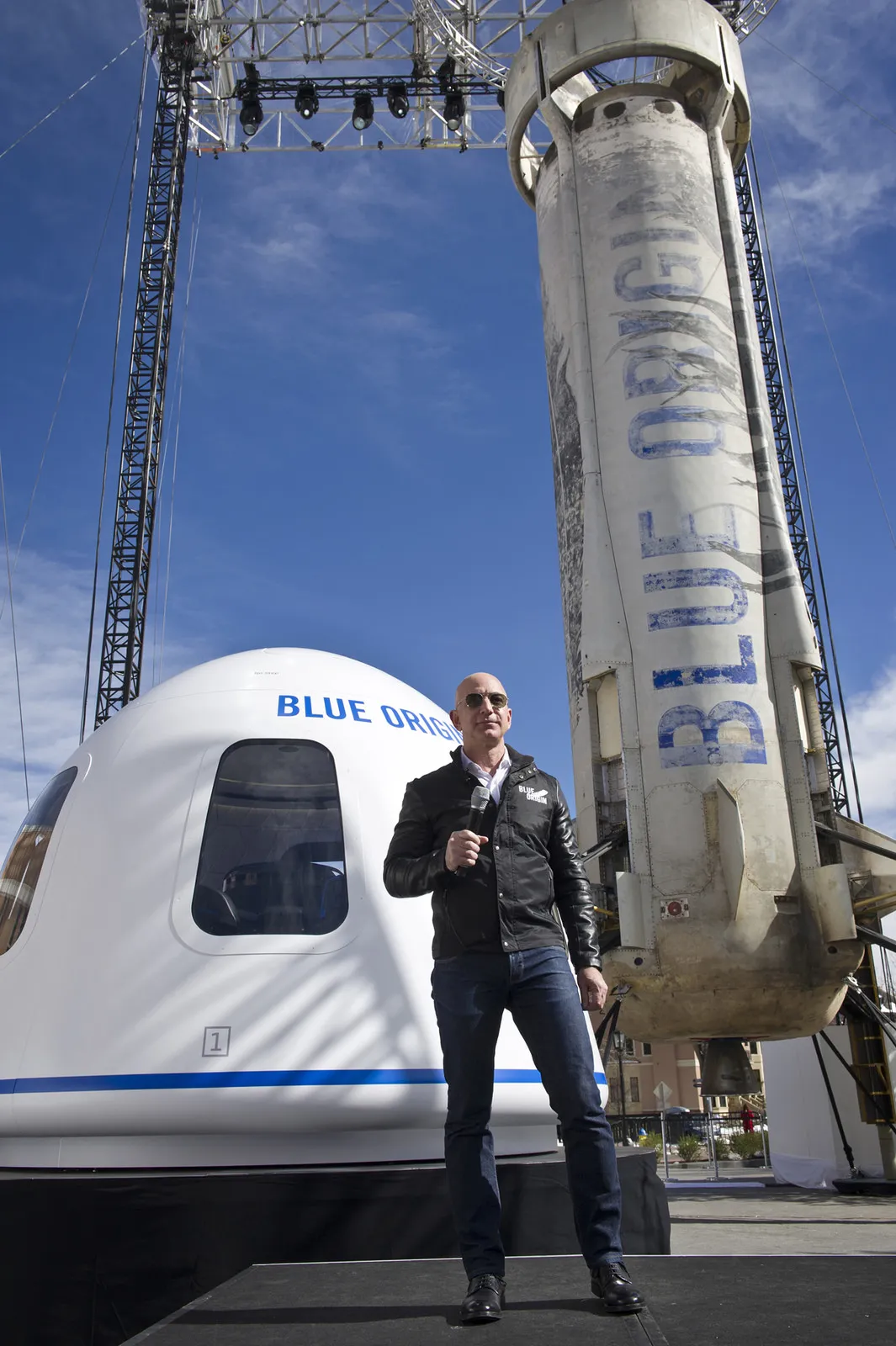 Photo: Jeff Bezos, via cdn.mos.cms.futurecdn.net
The tech industry has perfected the art of using civil liberties language to justify authoritarian workplace practices. They'll defend their right to platform hate speech as a matter of principle, then fire employees for circulating internal petitions about working conditions.
Platform Power as Editorial Control
The "free speech" framing obscures a fundamental reality: these platforms aren't neutral public squares. They're private companies with editorial control over what billions of people see and hear. When billionaires claim to be defending free speech, they're really defending their right to shape public discourse without democratic oversight or accountability.
Consider how this plays out in practice. Under Musk's leadership, X has:
- Reduced the visibility of posts containing links to external websites, effectively throttling traffic to independent journalism
- Changed verification systems in ways that amplify paid accounts over organic engagement
- Altered recommendation algorithms to boost conservative content and suppress progressive voices
- Implemented "community notes" systems that disproportionately fact-check posts critical of Musk or his business interests
Each of these changes represents editorial decisions about whose voices get heard. Framing them as "free speech" policies is like calling Fox News's programming choices neutral journalism.
The Accountability Dodge
The most insidious aspect of billionaire free speech absolutism is how it's used to dodge accountability for real-world harm. When researchers document how platform algorithms amplify extremism, the response isn't to fix the algorithms but to attack the researchers as censors. When journalists investigate labor violations at tech companies, they're accused of bias and excluded from access.
This dynamic has accelerated under the banner of fighting "cancel culture." Billionaires have successfully reframed criticism of their business practices as attacks on free expression, making themselves the victims in stories where they wield unprecedented power over information flows.
The result is a world where the most powerful people claim to be the most oppressed, where criticism becomes censorship, and where accountability is rebranded as authoritarianism.
The Historical Precedent
This isn't the first time wealthy elites have co-opted progressive language to serve regressive ends. In the early 20th century, corporations fought labor organizing by claiming that unions violated workers' "freedom of contract." In the 1960s, segregationists defended Jim Crow laws as protecting "states' rights" and "local control."
The pattern is consistent: take legitimate principles — free speech, individual liberty, democratic governance — and stretch them to justify systems that concentrate power and suppress dissent. The language changes, but the goal remains the same: preserving hierarchy while claiming to defend freedom.
The Real Free Speech Crisis
While billionaires claim to be defending free expression, the actual threats to free speech are multiplying:
- Journalists facing lawsuits designed to bankrupt them for covering powerful people
- Workers fired for organizing or speaking out about unsafe conditions
- Researchers losing funding and access for studying platform manipulation
- Activists surveilled and harassed for documenting corporate malfeasance
- Independent media outlets starved of traffic by algorithmic manipulation
These aren't abstract policy debates. They're concrete attacks on the ability of ordinary people to hold power accountable. And they're happening while the most powerful people in the world position themselves as free speech martyrs.
Beyond the Billionaire Narrative
Real free speech protection requires more than billionaire benevolence. It requires structural changes that democratize power over information systems:
- Antitrust enforcement that breaks up tech monopolies
- Labor protections that shield workers who speak out
- Transparency requirements for algorithmic systems
- Public funding for independent journalism and research
- Democratic oversight of platforms that function as public utilities
The choice isn't between billionaire-controlled "free speech" and government censorship. It's between oligarchic control of information and genuine democratic accountability.
The Stakes for Democracy
When a handful of billionaires control the platforms where most political discourse happens, democracy itself is at stake. Their selective interpretation of free speech principles — protecting power while silencing challengers — undermines the open debate that democracy requires.
The solution isn't to trust billionaires to police themselves better. It's to build systems that ensure free speech serves everyone, not just those wealthy enough to buy their own platforms.
The real free speech absolutists are the workers, journalists, and activists fighting for everyone's right to speak truth to power — not the billionaires trying to silence them while claiming victim status.