
When Amazon CEO Jeff Bezos announced his $10 billion Earth Fund in 2020, environmental activists should have celebrated. Instead, many recognized it for what it truly represented: the latest example of how billionaire philanthropy has become a sophisticated system for preserving power while appearing to address the crises that concentrated wealth creates.
 Photo: Jeff Bezos, via theteam.blog
The modern philanthropic landscape represents one of the most elegant forms of ideological capture in American history. Through tax-deductible donations, corporate foundations, and strategic giving, the ultra-wealthy have constructed a parallel governance system that shapes policy, silences dissent, and substitutes private charity for democratic public investment—all while burnishing their reputations as society's saviors.
The Gates Model: Privatizing Public Policy
No organization better exemplifies this phenomenon than the Bill & Melinda Gates Foundation, which has fundamentally reshaped global health and education policy through sheer financial dominance. With an endowment exceeding $75 billion, the foundation wields more influence over global health initiatives than most governments, effectively privatizing decisions that should belong to democratic institutions.
In education, the Gates Foundation spent over $5 billion promoting charter schools, standardized testing, and teacher evaluation systems tied to student test scores. These initiatives, imposed on cash-strapped school districts desperate for funding, have consistently failed to improve educational outcomes while undermining teacher unions and public school systems. When the foundation quietly abandoned its teacher effectiveness initiative in 2018 after spending $575 million, there was no democratic accountability for the disruption caused—only a pivot to the next pet project.
The foundation's global health work follows a similar pattern. While Gates-funded vaccination programs have undoubtedly saved lives, the foundation's emphasis on technological solutions over healthcare infrastructure has shaped WHO priorities and diverted resources from building sustainable public health systems. Countries become dependent on Gates-approved interventions rather than developing their own democratic health governance.
Tax Shelters Disguised as Social Good
The financial mechanics of modern philanthropy reveal its true purpose. When billionaires donate to their private foundations, they receive immediate tax deductions while maintaining control over how funds are deployed. The money never truly leaves their influence—it simply moves from one pocket to another, tax-free.
Consider the case of donor-advised funds, which have exploded from $12 billion in assets in 2007 to over $234 billion today. These vehicles allow wealthy donors to claim tax deductions immediately while distributing funds at their leisure, often years later and always according to their personal priorities rather than community needs.
Meanwhile, corporate foundations serve as reputation laundering operations for industries causing the very problems they claim to address. ExxonMobil's foundation has donated millions to environmental causes while the parent company spent decades funding climate denial. Facebook's charitable initiatives focus on digital literacy while the platform amplifies misinformation and undermines democratic discourse.
Crowding Out Democratic Alternatives
Perhaps most insidiously, philanthropic dominance crowds out grassroots organizations demanding systemic change. When foundations flood issue areas with funding tied to moderate, technocratic solutions, they starve radical organizations that might challenge root causes.
Environmental justice groups seeking to dismantle fossil fuel infrastructure find themselves competing for resources against well-funded nonprofits promoting market-based carbon trading schemes. Housing advocacy organizations pushing for public housing development are overshadowed by philanthropic initiatives focused on homeownership programs that preserve real estate speculation.
This dynamic is particularly evident in criminal justice reform, where billionaire-funded organizations promote incremental changes to sentencing and prison conditions while grassroots abolitionists calling for fundamental restructuring of policing and incarceration struggle for resources.
The Democracy Deficit
Critics argue that philanthropic efficiency surpasses sluggish government bureaucracy, and some charitable initiatives undoubtedly provide immediate relief for urgent problems. But this argument fundamentally misunderstands the role of democratic governance in a free society.
When private foundations shape public policy, they circumvent the democratic process entirely. Citizens have no vote on Gates Foundation education priorities or Zuckerberg's healthcare initiatives. There are no public hearings, no legislative oversight, no electoral accountability for philanthropic failures.
This system creates what political scientist Rob Reich calls "philanthropic colonialism"—the imposition of wealthy individuals' preferences on communities that never consented to their governance. It's taxation without representation in reverse: deductions without democracy.
A Public Alternative
The solution isn't to eliminate charitable giving but to restore democratic control over social priorities. Progressive taxation could fund robust public institutions capable of addressing systemic problems without dependence on private largesse. A wealth tax could generate hundreds of billions annually for public investment in education, healthcare, and environmental protection—with spending priorities determined through democratic processes rather than boardroom decisions.
Several countries demonstrate this alternative. Nordic nations achieve superior social outcomes through high-tax, high-service models that prioritize public provision over private charity. Their citizens enjoy greater economic mobility, environmental protection, and social cohesion precisely because they've rejected the philanthropic model in favor of democratic governance.
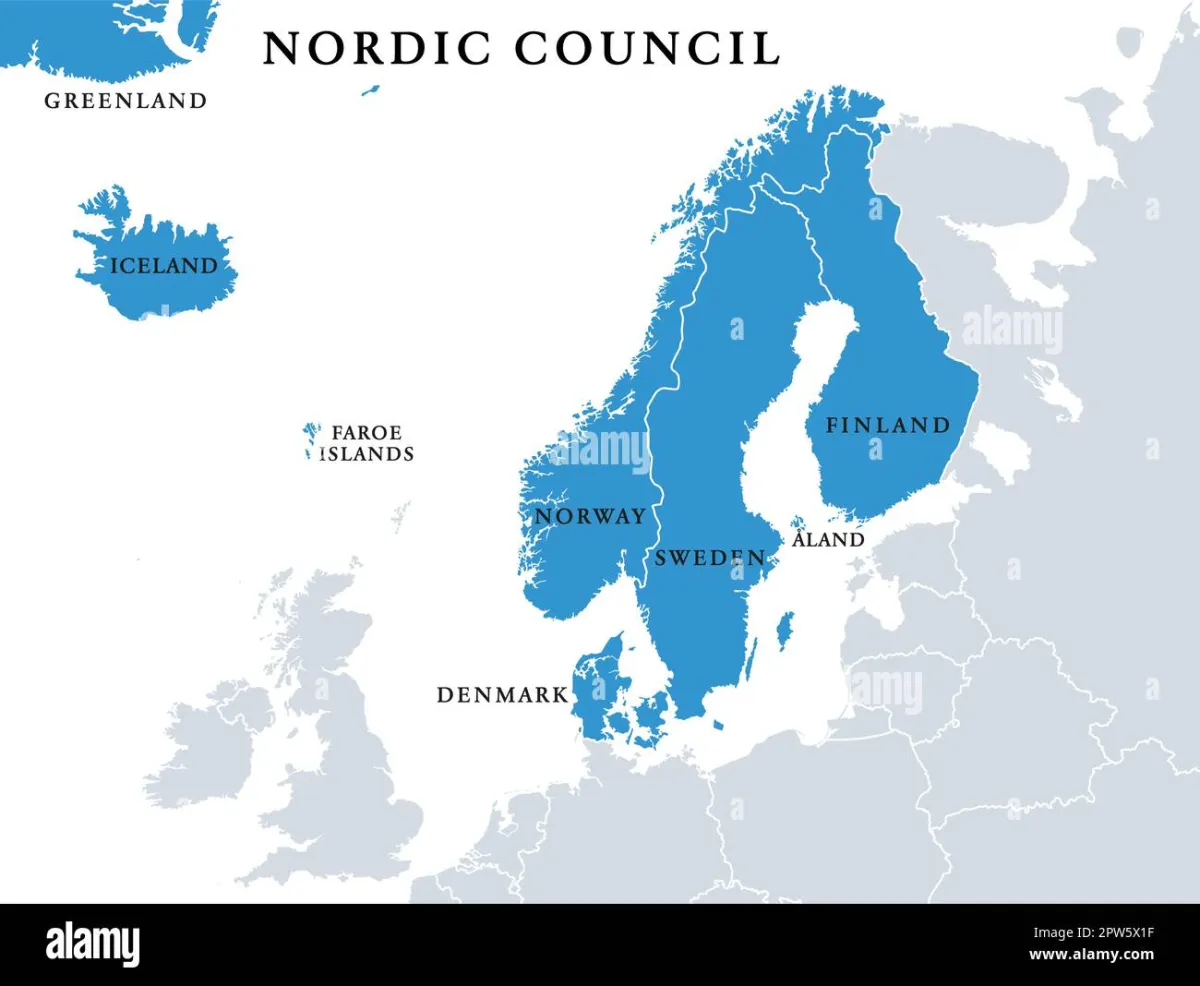 Photo: Nordic nations, via c8.alamy.com
The Reckoning Ahead
As wealth inequality reaches Gilded Age levels, the philanthropic industrial complex will only expand its influence unless democratic institutions reassert control. The choice is clear: continue allowing billionaires to purchase social policy through tax-deductible donations, or build public institutions capable of addressing root causes rather than symptoms.
Real change requires dismantling the systems that create billionaires in the first place, not celebrating their charitable gestures afterward.