When Daniel Prude died after Rochester police officers put a mesh hood over his head during a mental health crisis in 2020, his family had called for medical help, not law enforcement. When 13-year-old Adam Toledo was killed by Chicago police in 2021, his mother had sought help for his behavioral issues. These tragedies follow a predictable pattern: families call 911 seeking mental health support and receive armed officers instead.
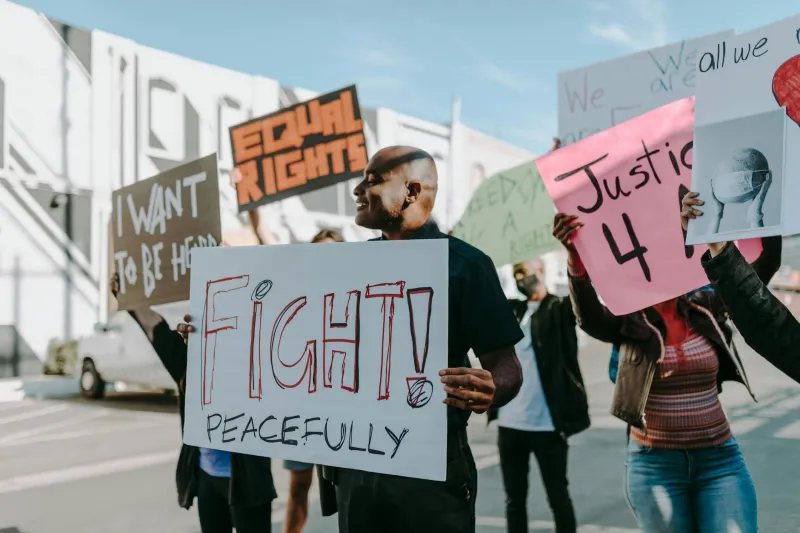
Four years after nationwide protests demanded police reform, the vast majority of mental health crisis calls still result in armed response, despite mounting evidence that civilian-led alternatives save both lives and money.
The Civilian Alternative That Works
Denver's Support Team Assisted Response (STAR) program offers a different model. Since 2020, teams of paramedics and mental health clinicians have responded to over 8,000 crisis calls without a single injury or arrest. The program costs $1.4 million annually — less than the salary of six police officers — while reducing emergency room visits by 34% and saving the city an estimated $8.5 million in avoided incarceration and hospitalization costs.
Similar programs in Eugene, Oregon and Albuquerque, New Mexico show comparable results. Eugene's CAHOOTS program, operating since 1989, handles 17% of all police calls at a fraction of the cost. Yet these successful models remain isolated experiments rather than standard practice across American cities.
The Political Roadblocks
The barrier isn't public opinion. Polling consistently shows bipartisan support for mental health crisis reform, with 84% of Americans favoring civilian response teams according to a 2023 Pew Research survey. Even among Republicans, 72% support alternatives to police for mental health calls. The disconnect between public preference and policy reality reveals how entrenched interests shape governance.
Police unions and law enforcement lobbying groups have actively opposed crisis response reforms. The Fraternal Order of Police argues that mental health calls can escalate unpredictably, requiring armed intervention. Police chiefs warn that removing officers from these calls could create "public safety gaps." These arguments ignore the evidence that civilian responders achieve better outcomes with lower costs and fewer injuries.
The Racial Dimension
The stakes aren't equally distributed. Black Americans are three times more likely to be killed by police during mental health crises, according to data from the Treatment Advocacy Center. The criminalization of mental illness intersects with racial profiling to create deadly outcomes for communities of color. When Stephon Clark was killed by Sacramento police in 2018, officers were responding to reports of someone breaking windows — later understood as symptoms of his mental health crisis.
Latino families face similar disparities. Immigration status fears often prevent families from calling for help, leaving mental health crises to escalate without intervention. The few bilingual crisis response programs show dramatically better outcomes, yet remain rare even in heavily Latino communities.
Federal Inaction Despite Local Success
The Biden administration has provided modest funding for crisis response programs through the American Rescue Plan Act, allocating $15 million for pilot programs. But this represents a tiny fraction of the $100 billion spent annually on policing. The administration's mental health strategy emphasizes treatment access while largely ignoring the crisis response gap.
Congress has similarly failed to act despite bipartisan rhetoric about mental health reform. The Restoring Hope for Mental Health and Well-Being Act of 2022 included crisis response provisions but provided minimal funding. Republicans who regularly cite mental health as an alternative to gun control have shown little interest in actually funding mental health infrastructure.
The Insurance Industry's Role
Private insurance companies have inadvertently reinforced police-led crisis response by limiting coverage for emergency mental health services. When families can't access immediate psychiatric care, 911 becomes the only available option. Insurance companies save money by pushing mental health crises into the criminal justice system, where costs are borne by taxpayers rather than premium-holders.
Medicaid expansion has improved access in some states, but crisis response remains underfunded. The federal government reimburses states for emergency room visits and police interventions but provides limited support for preventive crisis services. This funding structure incentivizes the most expensive and least effective responses.
Legislative Barriers in Red States
Some Republican-controlled states have actively blocked crisis response reforms. Texas legislators rejected proposals to fund civilian crisis teams, with lawmakers arguing that police training improvements were sufficient. Florida's legislature eliminated funding for a pilot crisis response program after police unions objected. These decisions reflect ideological opposition to reducing police roles rather than evidence-based policy-making.
Meanwhile, blue states with crisis response programs often limit their scope to avoid confronting police departments. California's crisis response initiatives exclude calls involving potential violence, leaving most serious mental health emergencies to law enforcement. This compromise position satisfies neither public safety nor mental health advocates.
The Economic Case
Beyond moral arguments, the economic evidence is overwhelming. Police responses to mental health calls cost an average of $2,000 per incident when including arrest processing, court proceedings, and potential incarceration. Civilian crisis teams cost roughly $200 per response. Hospitalization costs average $11,000 per emergency psychiatric admission, while community-based crisis intervention averages $1,500.
These savings compound over time. Individuals who receive appropriate crisis intervention are less likely to cycle through emergency rooms, jails, and hospitals. The RAND Corporation estimates that comprehensive crisis response systems could reduce mental health-related incarceration by 40%, saving billions in correctional costs while improving outcomes.
Breaking the Cycle
The path forward requires confronting the political forces that maintain the status quo. Police departments receive federal grants, union protections, and political support that crisis response programs lack. Changing this dynamic means reallocating resources, challenging entrenched interests, and prioritizing evidence over ideology.
Some cities are making progress despite opposition. Portland expanded its crisis response program after community pressure following several high-profile police killings of people in mental health crisis. Austin's city council mandated civilian crisis teams despite police department objections. These victories show that local organizing can overcome institutional resistance.
The gap between America's mental health crisis and our response to it isn't an accident — it's a policy choice that prioritizes police budgets over public health, despite clear evidence that civilian alternatives save lives and money.