The Public Defender Crisis: How America's Two-Tiered Justice System Guarantees Conviction for the Poor
In New Orleans, public defenders handle an average of 750 felony cases per year — more than double what the American Bar Association considers humanly possible. In Miami-Dade County, overloaded attorneys spend an average of seven minutes preparing for each case. Across America, the constitutional promise that every defendant deserves adequate legal representation has collapsed into a cruel farce that systematically funnels the poor into prison cells while the wealthy walk free.
 Photo: Miami-Dade County, via plan.risingsea.net
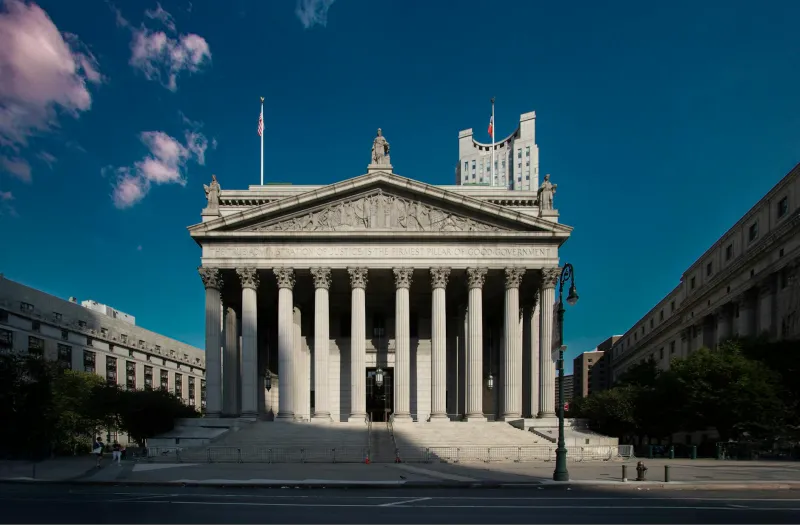
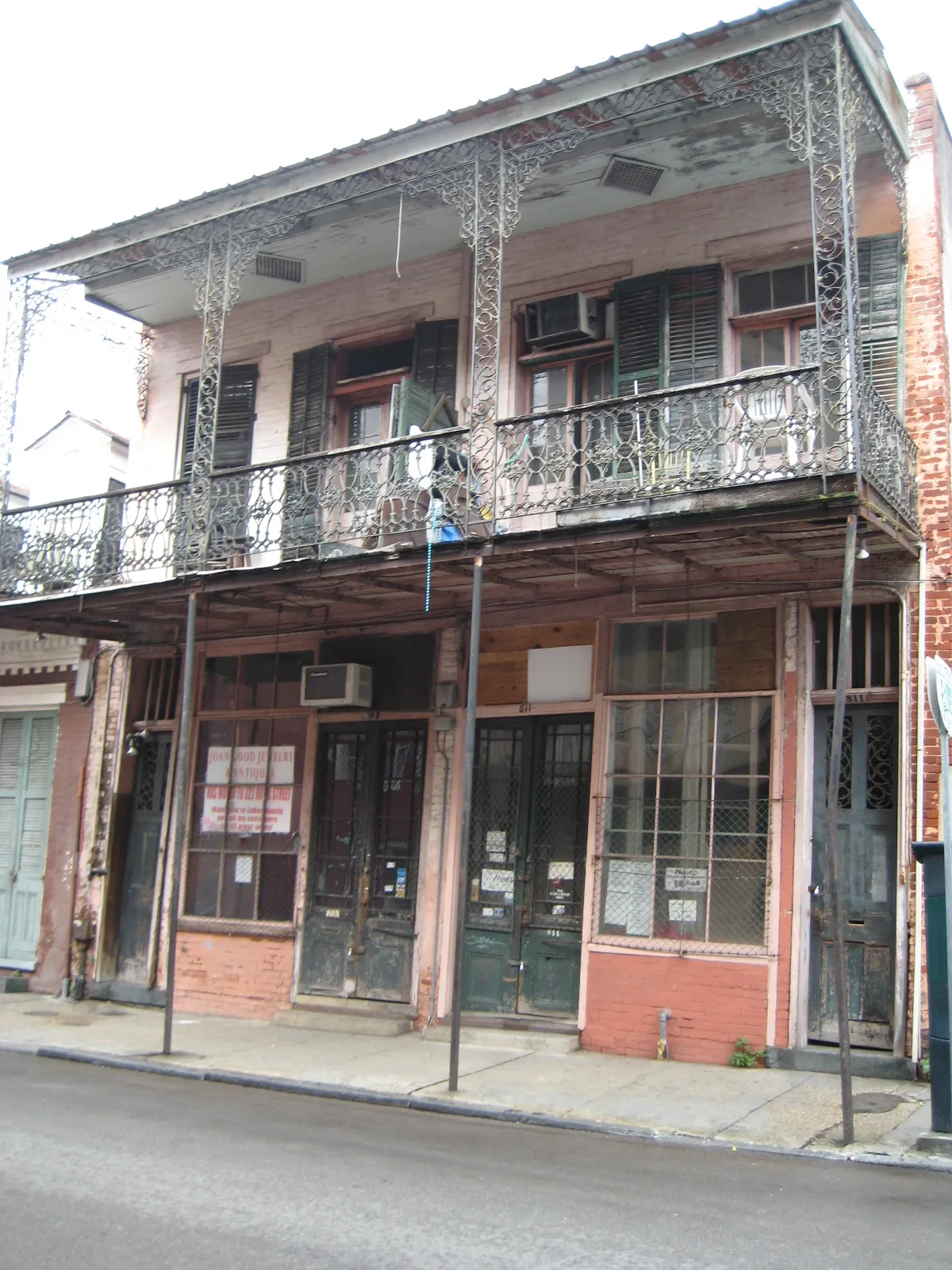 Photo: New Orleans, via blogger.googleusercontent.com
This isn't an accident of underfunding — it's the deliberate architecture of a two-tiered justice system that treats poverty as a criminal sentence.
The Numbers Don't Lie: A System Built to Fail
The data reveals a justice system engineered for inequality. While prosecutor offices receive an average of $127 per case in funding, public defender offices scrape by on $73 per case — a 43% disadvantage that compounds into catastrophic outcomes for defendants who can't afford private counsel.
Consider the caseload crisis: the National Advisory Commission recommends that attorneys handle no more than 75 felony cases annually to provide adequate representation. Yet public defenders routinely carry 400 to 500 cases, with some offices reporting loads exceeding 800 cases per attorney. Meanwhile, prosecutors typically handle 50-80 cases with full investigative support, paralegal assistance, and unlimited expert witnesses.
The American Civil Liberties Union's recent audit of 16 states found that 73% of public defender offices operate at crisis levels, unable to meet basic professional standards. In Missouri, attorneys report having as little as 30 seconds to spend with clients before hearings. In Louisiana, defenders handling capital cases receive $2,000 total to investigate and prepare for trials where the state seeks execution.
The Plea Mill: Where Justice Goes to Die
This resource starvation has transformed America's courts into plea mills that coerce confessions from innocent defendants. With 97% of federal cases and 94% of state cases resolved through plea bargains, trials have become statistical anomalies while prosecutors wield overwhelming leverage to extract guilty pleas from defendants who lack adequate counsel.
Public defenders, drowning in impossible caseloads, have no choice but to encourage plea deals — even for clients they believe are innocent. The math is brutal: spending three days preparing for trial means neglecting 20 other clients facing imminent hearings. The system punishes zealous advocacy and rewards assembly-line processing of human beings.
Research by the National Registry of Exonerations found that defendants with overworked public counsel are 40% more likely to be wrongfully convicted than those with adequately resourced attorneys. The Innocence Project has documented over 375 DNA exonerations since 1989, with 28% involving defendants who received inadequate legal assistance.
The Racial Justice Imperative
This crisis hits communities of color with devastating force. Black Americans are arrested at rates nearly three times higher than whites, and 80% rely on public defenders. The systemic underfunding of public defense thus becomes a mechanism for perpetuating racial inequality through the criminal justice system.
The Brennan Center for Justice found that Black defendants with overloaded public counsel receive sentences averaging 3.2 years longer than similarly situated white defendants with private attorneys. In death penalty cases, defendants of color with under-resourced counsel face execution at rates 4.3 times higher than white defendants with comparable legal representation.
Meanwhile, wealthy defendants hire teams of investigators, expert witnesses, and specialized attorneys who can dedicate months to a single case. The contrast is stark: former pharmaceutical executive Martin Shkreli's fraud defense reportedly cost $4.6 million, while the average public defender receives $2,000 total to handle a murder case.
The Conservative Counterargument Falls Apart
Critics argue that increased funding won't solve deeper problems with criminal behavior or that public defenders simply need better efficiency. This argument collapses under scrutiny. States that have invested in adequately funded public defense — like Massachusetts and Minnesota — show dramatically lower recidivism rates, fewer wrongful convictions, and significant cost savings from reduced incarceration.
The notion that poverty correlates with guilt is both morally bankrupt and empirically false. The Innocence Project's exonerations prove that inadequate counsel, not criminal behavior, drives many convictions. When defendants receive proper representation, acquittal rates jump 300% — suggesting that most convictions secured against under-defended defendants reflect prosecutorial advantage, not actual guilt.
Lives in the Balance
Behind these statistics are human beings whose futures hang on seven-minute consultations and overworked attorneys. Maria Santos, a single mother in Phoenix, spent 14 months in jail awaiting trial because her public defender — juggling 147 active felony cases — couldn't find time to review security footage that ultimately proved her innocence.
Jamal Williams, a 19-year-old college student in Detroit, accepted a plea deal for armed robbery after his public defender warned that going to trial with inadequate preparation risked a life sentence. Two years later, the actual perpetrator confessed, but Williams remains trapped by his coerced guilty plea.
These aren't isolated tragedies — they're the predictable outcomes of a system that treats constitutional rights as luxuries available only to those who can afford them.
The Path Forward: Justice as a Public Good
Several states offer blueprints for reform. Massachusetts increased public defender funding by 47% over five years, resulting in 31% fewer wrongful convictions and $89 million in reduced incarceration costs. Colorado's investment in public defense produced similar results: better outcomes for defendants and significant savings for taxpayers.
The solution requires treating public defense as essential infrastructure, not charity. This means parity funding with prosecutor offices, caseload caps enforced through judicial oversight, and adequate compensation to attract experienced attorneys to public service.
A Moral Reckoning
The public defender crisis exposes the fundamental lie at the heart of American criminal justice: that we operate under equal protection of law. Instead, we've constructed an elaborate system that guarantees different justice based on wealth, race, and geography.
Every day this system operates, innocent people plead guilty to crimes they didn't commit while prosecutors rack up conviction statistics that advance their careers. Every overloaded public defender forced to counsel clients toward plea deals becomes complicit in a machine that transforms poverty into punishment.
America cannot claim to be a nation of laws while operating a justice system where your constitutional rights depend on your checking account balance — and the time for pretending otherwise has long since passed.