The Classroom Arrest That Changed Everything
Last month in South Carolina, a 16-year-old Black student was handcuffed and arrested for using her cell phone in class. The incident, captured on video, sparked national outrage—but it shouldn't have surprised anyone. It was simply the latest visible manifestation of a decades-long policy regime that has transformed American schools from spaces of learning into training grounds for incarceration.
 Photo: South Carolina, via cdn.britannica.com
Since the 1990s, zero-tolerance discipline policies and the explosion of police presence in schools have created what researchers call the "school-to-prison pipeline"—a systematic funnel that pushes the most vulnerable students out of education and into the criminal justice system. This isn't an accident or an unintended consequence. It's the predictable result of deliberate policy choices that prioritized punishment over support, policing over pedagogy.
The Numbers Tell a Devastating Story
The data is unambiguous and damning. According to the Department of Education's Civil Rights Data Collection, Black students are suspended and expelled at rates three times higher than their white peers, despite no evidence they misbehave more frequently. Students with disabilities face suspension rates twice the national average. Meanwhile, Latino students, who make up 25% of the student population, account for 31% of school-related arrests.
These disparities aren't subtle—they're glaring. In some districts, Black students represent less than 20% of enrollment but more than 60% of suspensions. The American Civil Liberties Union found that students who are suspended or expelled are three times more likely to be in contact with the juvenile justice system within a year.
The Rise of the School Resource Officer
The militarization of American schools began in earnest after Columbine, but it accelerated dramatically following 9/11 and the Sandy Hook shooting. Federal funding streams encouraged districts to hire "school resource officers"—sworn law enforcement stationed on campus. Today, nearly 14 million students attend schools with police but no counselor, social worker, or psychologist.
This shift fundamentally altered how schools handle discipline. Behaviors that were once managed by teachers and principals—talking back, minor scuffles, even dress code violations—are now criminalized. Students are being arrested for throwing paper airplanes, drawing on desks, and falling asleep in class. What educators once handled with detention or parent conferences now results in handcuffs, court dates, and criminal records.
The False Promise of Safety
Proponents of zero-tolerance policies argue they make schools safer and send a clear message about behavioral expectations. This narrative has proven politically powerful, tapping into legitimate parental concerns about school violence while promising simple solutions to complex problems.
But the evidence doesn't support these claims. A comprehensive study by the Indiana University School of Education found that schools with higher suspension rates actually have lower academic achievement and more behavioral problems, not fewer. Zero-tolerance policies don't improve school safety—they just shift problems elsewhere while devastating the life prospects of punished students.
The real beneficiaries aren't students or families—they're the private companies that profit from juvenile detention, the police departments that receive federal funding for school programs, and the politicians who can claim they're "tough on crime" without addressing the root causes of educational or behavioral challenges.
Who Bears the Cost
The human cost of these policies falls disproportionately on students who are already marginalized. Black and Latino students, students with disabilities, LGBTQ+ youth, and those from low-income families face the harshest punishment for identical behaviors. They're more likely to be suspended, more likely to be arrested, and more likely to see their educational trajectories permanently derailed.
Consider the case of Kiera Wilmot, a 16-year-old Florida student who was arrested and expelled for a science experiment that produced a small explosion in a plastic bottle. No one was injured, and Kiera had no disciplinary history—but she was Black, and the zero-tolerance machinery ground forward anyway. Only national media attention and public pressure convinced authorities to drop charges and allow her to return to school.
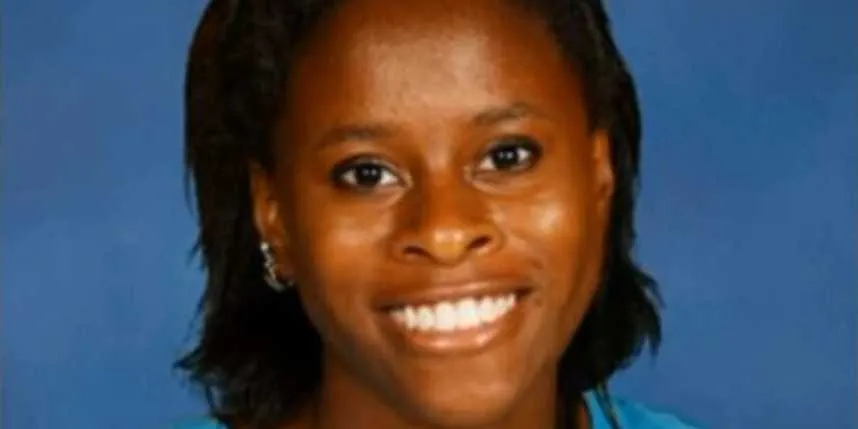 Photo: Kiera Wilmot, via i.insider.com
For every Kiera Wilmot whose story makes headlines, there are thousands who disappear into the juvenile justice system without fanfare. Students who are suspended are more likely to drop out, more likely to be unemployed as adults, and more likely to be incarcerated. The pipeline isn't metaphorical—it's a measurable pathway from classroom to cellblock.
A Better Path Forward
The tragedy is that we know what works. Restorative justice programs, which focus on repairing harm rather than punishment, have shown remarkable success in reducing both suspensions and repeat offenses. Schools that have replaced zero-tolerance with positive behavioral interventions have seen dramatic improvements in both academic achievement and school climate.
Oakland Unified School District cut suspension rates by 87% over six years by implementing restorative practices and reducing police presence. Denver Public Schools saw a 65% decrease in out-of-school suspensions after reforming discipline policies. These aren't feel-good experiments—they're evidence-based interventions that work.
The Political Reckoning
The school-to-prison pipeline represents a bipartisan failure that spans decades. Democrats and Republicans alike embraced tough-on-crime rhetoric that criminalized childhood and adolescence. The Biden administration has taken some steps to address these issues, but the fundamental architecture of punitive school discipline remains largely intact.
Real reform requires more than policy tweaks—it demands a fundamental reimagining of what schools are for and how we support young people through the inevitable challenges of growing up. It means replacing police with counselors, punishment with support, and zero-tolerance with the recognition that children and teenagers are human beings in development, not criminals in training.
The school-to-prison pipeline isn't a natural phenomenon or an unfortunate side effect—it's a policy choice that reflects our values and priorities as a society, and it's a choice we can unmake.