The Theater of Patriotism Meets the Reality of Neglect
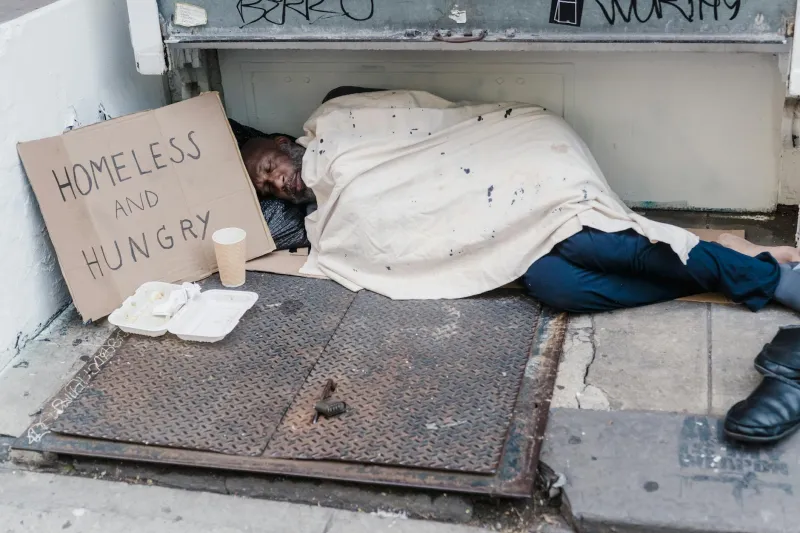
Last month, the Department of Veterans Affairs reported that over 33,000 veterans remain homeless on any given night across America, while wait times for mental health appointments at VA facilities average 48 days nationwide. These aren't abstract statistics—they represent the lived reality of men and women who answered their country's call, only to discover that America's gratitude extends no further than campaign rhetoric and halftime ceremonies.
The contradiction is stark and morally indefensible: a nation that spends $816 billion annually on defense while allowing those who served to languish in poverty, bureaucratic purgatory, and medical neglect. This isn't oversight—it's a systematic abandonment that reveals the hollow core of American militarism.
The GI Bill Scam: Predators in Patriots' Clothing
The Post-9/11 GI Bill represents one of the most generous education benefits in American history, providing up to $26,000 annually for qualified veterans. Yet this lifeline has become a feeding trough for predatory institutions that view veterans not as students to educate, but as walking federal subsidies to exploit.
For-profit colleges have captured nearly 40% of all GI Bill dollars despite educating only 25% of veteran students. These institutions spend more on marketing than instruction, targeting veterans with high-pressure sales tactics and promises of career training that rarely materialize. The University of Phoenix alone has received over $1.7 billion in GI Bill payments since 2009, while maintaining graduation rates below 20% for many programs.
The human cost is devastating. Veterans who exhaust their GI Bill benefits at diploma mills often find themselves with worthless credentials, crushing debt, and no viable career prospects. A 2022 Veterans Education Success study found that 88% of veterans who attended certain for-profit institutions reported being worse off financially than before enrollment.
Healthcare Rationing for Those Who Served
The VA healthcare system, chronically underfunded and overwhelmed, forces veterans into a cruel lottery system where geography determines access to care. Rural veterans face average travel distances of over 70 miles to reach the nearest VA facility, while urban veterans navigate appointment backlogs that can stretch for months.
Mental health services—arguably the most critical need for a generation of veterans shaped by two decades of continuous warfare—remain woefully inadequate. The VA employs roughly 5,000 mental health professionals to serve 6.2 million enrolled veterans, a ratio that makes meaningful therapeutic relationships nearly impossible. The result: 17 veterans die by suicide daily, a rate 52% higher than the civilian population.
Meanwhile, the Pentagon's budget grows annually, funding weapons systems that generals don't want while veterans sleep in cars outside VA hospitals. The F-35 fighter program alone has consumed $412 billion—enough to fund VA healthcare for three years.
The Lobbying Imbalance: Contractors vs. Veterans
The political economy of veteran care reveals a system designed to enrich contractors, not serve veterans. Defense contractors spent $117 million on lobbying in 2022, employing 820 registered lobbyists—including 386 former government officials who revolve through the Pentagon's doors. These firms secure contracts worth hundreds of billions while veteran service organizations struggle with budgets measured in millions.
Disabled American Veterans, the largest veteran advocacy group, spent $180,000 on lobbying in 2022—less than Lockheed Martin spends in a single day. This resource imbalance explains why Congress routinely approves new weapons programs while veteran homelessness persists and VA facilities crumble.
The Human Cost of Hollow Patriotism
Behind every statistic lies a human story of betrayal. Marine Corps veteran Sarah Chen, who served three tours in Afghanistan, returned home to find a nine-month wait for PTSD treatment at her local VA. She enrolled in a for-profit criminal justice program using her GI Bill, only to discover the degree was worthless to employers. Now $40,000 in debt with exhausted benefits, she works retail while battling untreated trauma.
Chen's story repeats across America: 1.4 million veterans live in poverty, 400,000 lack stable housing, and countless others navigate systems designed to frustrate rather than serve. These aren't acceptable casualties of bureaucracy—they're moral failures of a society that demands sacrifice from its citizens while refusing to honor its obligations in return.
Beyond Thank You for Your Service
Conservatives often frame veteran issues as matters of individual responsibility or bureaucratic efficiency, missing the fundamental moral question: what do we owe those who serve? Their solutions—privatization, means-testing, and market-based reforms—have consistently failed veterans while enriching corporate interests.
The progressive vision offers a different path: robust public investment in veteran services, strict regulation of predatory institutions, and recognition that veteran care is a collective responsibility, not a market opportunity. This means fully funding VA healthcare, eliminating education benefit caps, and treating veteran homelessness as the national emergency it represents.
A Reckoning Long Overdue
The 2024 election cycle will once again feature politicians competing to appear most supportive of veterans while proposing policies that perpetuate their suffering. Voters must demand more than performative patriotism—they must insist on budgets that match rhetoric and policies that honor service with substance.
Every homeless veteran represents a failure of American values; every predatory college scheme targeting GI Bill benefits reveals the commodification of service; every suicide by a veteran denied timely care indicts our national priorities.
The Choice Before Us
America faces a fundamental choice: continue the charade of military worship while abandoning those who served, or build systems worthy of the sacrifices we demand. The current path leads nowhere but moral bankruptcy—a nation that creates veterans faster than it cares for them, that profits from their service while abandoning their needs.
True support for veterans requires more than flag pins and stadium ceremonies; it demands justice, resources, and recognition that those who served deserve better than America's hollow gratitude.