
Robert F. Kennedy Jr.'s promise to advise Donald Trump on removing fluoride from public water systems has thrust a settled scientific debate back into the political spotlight. But this isn't just another culture war skirmish — it's a direct assault on evidence-based public health infrastructure that will hit America's most vulnerable communities hardest.
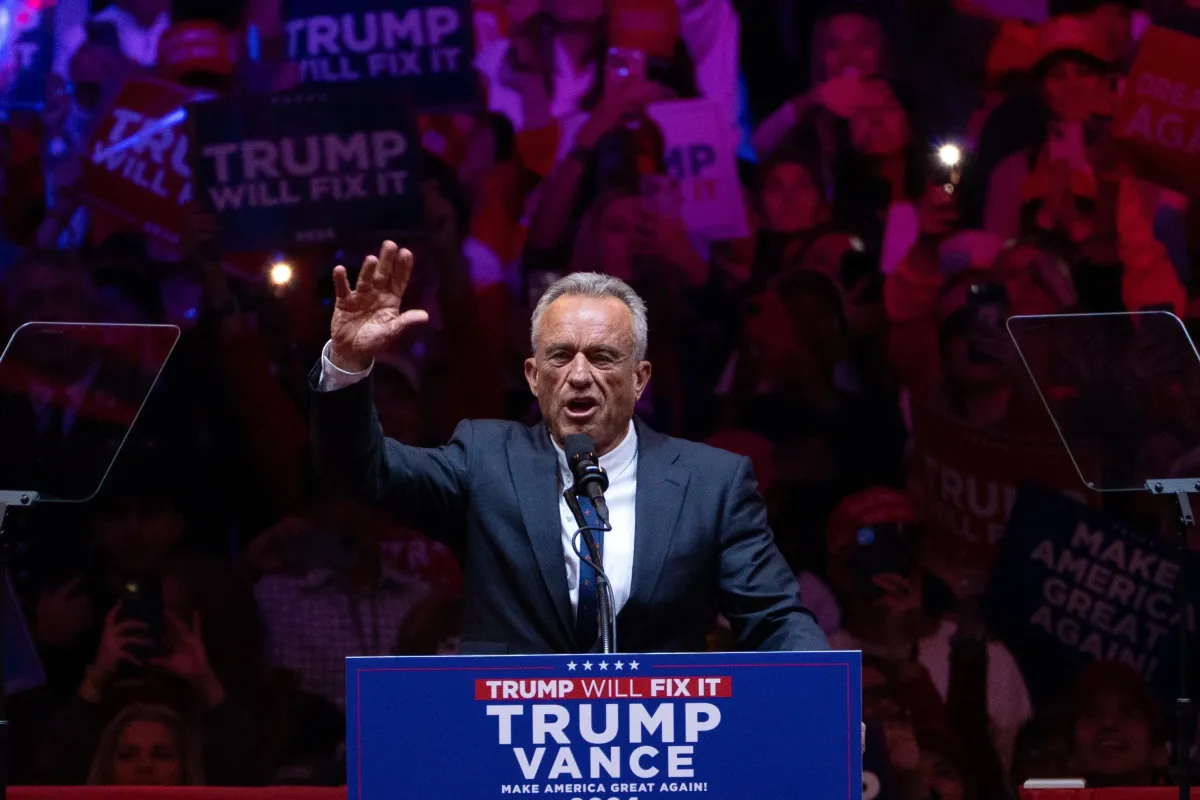 Photo: Robert F. Kennedy Jr., via thefulcrum.us
The Science Isn't Actually in Dispute
Water fluoridation stands as one of the 20th century's greatest public health triumphs. Since Grand Rapids, Michigan became the first city to fluoridate its water supply in 1945, tooth decay in American children has plummeted by more than 60 percent. The Centers for Disease Control and Prevention, the American Dental Association, and the World Health Organization have consistently endorsed fluoridation as safe and effective when properly administered.
 Photo: Centers for Disease Control and Prevention, via thumbs.dreamstime.com
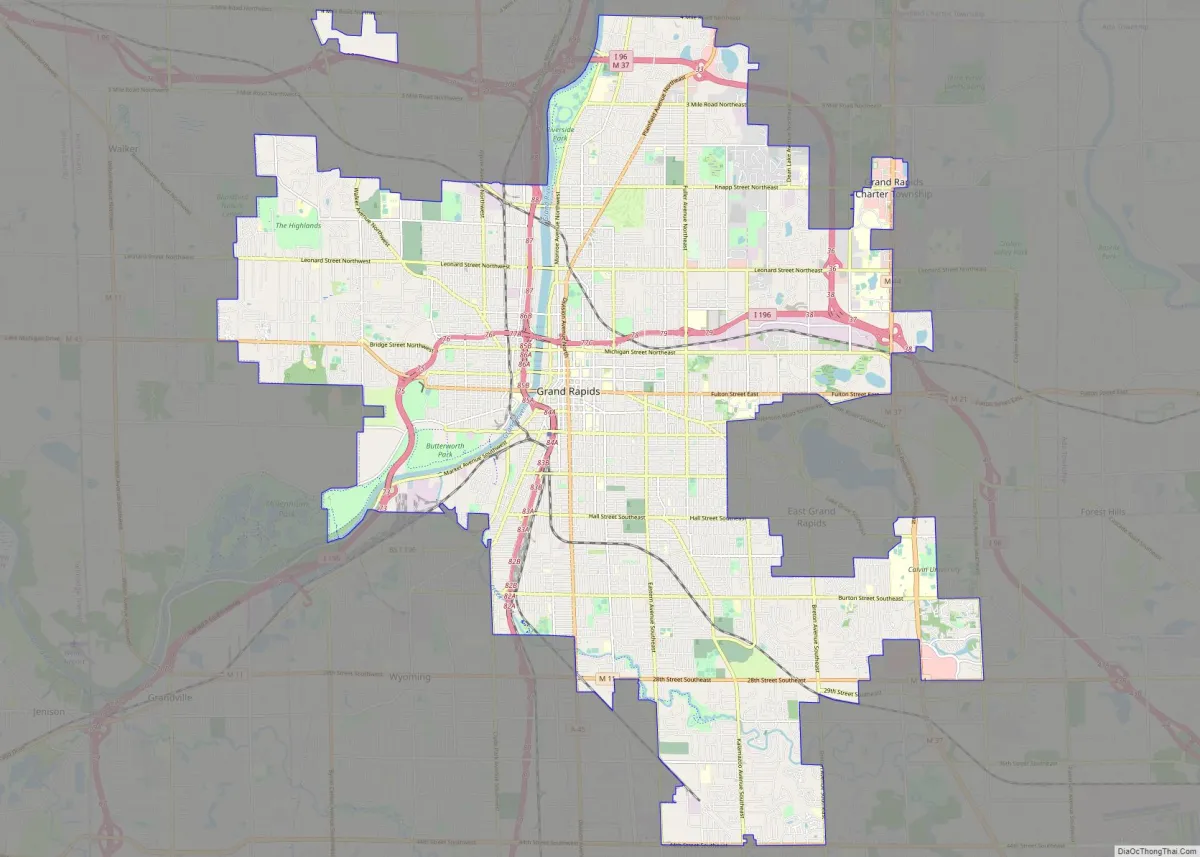 Photo: Grand Rapids, Michigan, via cdn.diaocthongthai.com
The anti-fluoride movement's claims about neurotoxicity and developmental harm rely on studies examining fluoride exposure levels far exceeding what's found in treated municipal water. A 2024 National Toxicology Program report that fluoride opponents cite actually focused on exposure levels more than double the recommended amounts — hardly an indictment of current public health policy.
A Public Good That Protects the Most Vulnerable
What makes the renewed assault on fluoridation particularly insidious is its regressive impact. Water fluoridation doesn't just prevent cavities — it democratizes dental health. Unlike fluoride toothpaste or professional treatments, fluoridated water reaches everyone equally, regardless of income, education level, or access to dental care.
This matters enormously in a country where dental coverage remains separate from health insurance and where preventive care is often a luxury. Low-income families, rural communities, and communities of color — groups already facing significant barriers to dental care — benefit most from fluoridated water. Remove this protection, and you're essentially creating a two-tiered system where oral health becomes another marker of economic privilege.
The American Dental Association estimates that every dollar invested in community water fluoridation saves $20 to $40 in dental treatment costs. For families already struggling with healthcare expenses, fluoridated water represents accessible prevention that keeps minor issues from becoming major financial burdens.
The Broader Attack on Collective Public Goods
The fluoridation debate isn't happening in isolation. It's part of a broader ideological offensive against the very concept of collective public health measures. The same voices questioning fluoride are often the ones that opposed mask mandates, vaccine requirements, and environmental regulations — all evidence-based policies that protect community health.
This pattern reveals the true agenda: dismantling public health infrastructure in favor of individual choice and market solutions. But individual choice only works when people have genuine alternatives. Wealthy families can afford bottled water, private dental care, and premium oral health products. Everyone else depends on public systems.
RFK Jr.'s anti-fluoride stance fits neatly into his broader portfolio of medical contrarianism, from vaccine skepticism to raw milk advocacy. These positions may sound like individual freedom, but they systematically undermine the collective protections that level the playing field for working families.
The Political Calculation
Republican politicians embracing anti-fluoride rhetoric aren't primarily concerned with dental health policy. They're capitalizing on broader distrust of government institutions and scientific expertise that's been carefully cultivated over decades. Attacking fluoridation allows them to position themselves as champions of local control and parental rights while actually advancing policies that will worsen health outcomes.
The timing isn't coincidental either. As healthcare costs continue crushing American families, undermining preventive public health measures ensures that more people will need expensive private treatment later. It's a perfect storm for the healthcare industry: eliminate cheap prevention, then profit from costly intervention.
What's Really at Stake
If anti-fluoride activists succeed in pressuring municipalities to end water treatment programs, the consequences will be measurable and predictable. Tooth decay rates will rise, particularly among children from low-income families. Emergency room visits for dental problems will increase. Preventable oral health issues will cascade into broader health complications.
Meanwhile, affluent families will simply purchase fluoride supplements, upgrade to premium dental care, and maintain their children's oral health through private means. The health gap between rich and poor will widen further, encoded in something as basic as drinking water.
The Path Forward
Defending water fluoridation means defending the principle that public health measures should be based on scientific evidence, not political ideology. It means recognizing that some problems require collective solutions, not just individual choices. Most importantly, it means acknowledging that dismantling public health protections always hits the most vulnerable hardest.
Local officials facing pressure to end fluoridation programs should remember that their primary obligation is to protect community health based on the best available evidence — not to appease the loudest political voices. The children who will suffer from increased tooth decay don't have lobbyists or political action committees.
This manufactured controversy over fluoridation is ultimately a test of whether America still believes in evidence-based policy that serves the common good, or whether we'll sacrifice public health on the altar of ideological purity.