The Arbitration Trap: How Fine Print Stole Your Right to Sue and Handed Corporate America a Get-Out-of-Jail-Free Card

The Silent Theft of Justice
Every day, millions of Americans unknowingly sign away their constitutional right to a jury trial. Buried in the fine print of employment contracts, credit card agreements, cell phone plans, and even nursing home admissions, mandatory arbitration clauses have become corporate America's most effective tool for escaping accountability. What began as a mechanism for resolving business disputes between equals has metastasized into a rigged system that strips ordinary people of their most fundamental legal protections.
The numbers tell a devastating story. According to the Economic Policy Institute, more than 60 million American workers—nearly half the private-sector workforce—are now bound by mandatory arbitration agreements. In consumer disputes, the situation is even more dire: the Consumer Financial Protection Bureau found that arbitration clauses appear in contracts covering virtually every major financial service, from credit cards to checking accounts to payday loans.
How the Supreme Court Broke the System
This corporate coup didn't happen overnight. It required decades of careful legal engineering, culminating in a series of Supreme Court decisions that transformed the 1925 Federal Arbitration Act from a narrow commercial statute into a corporate shield against accountability.
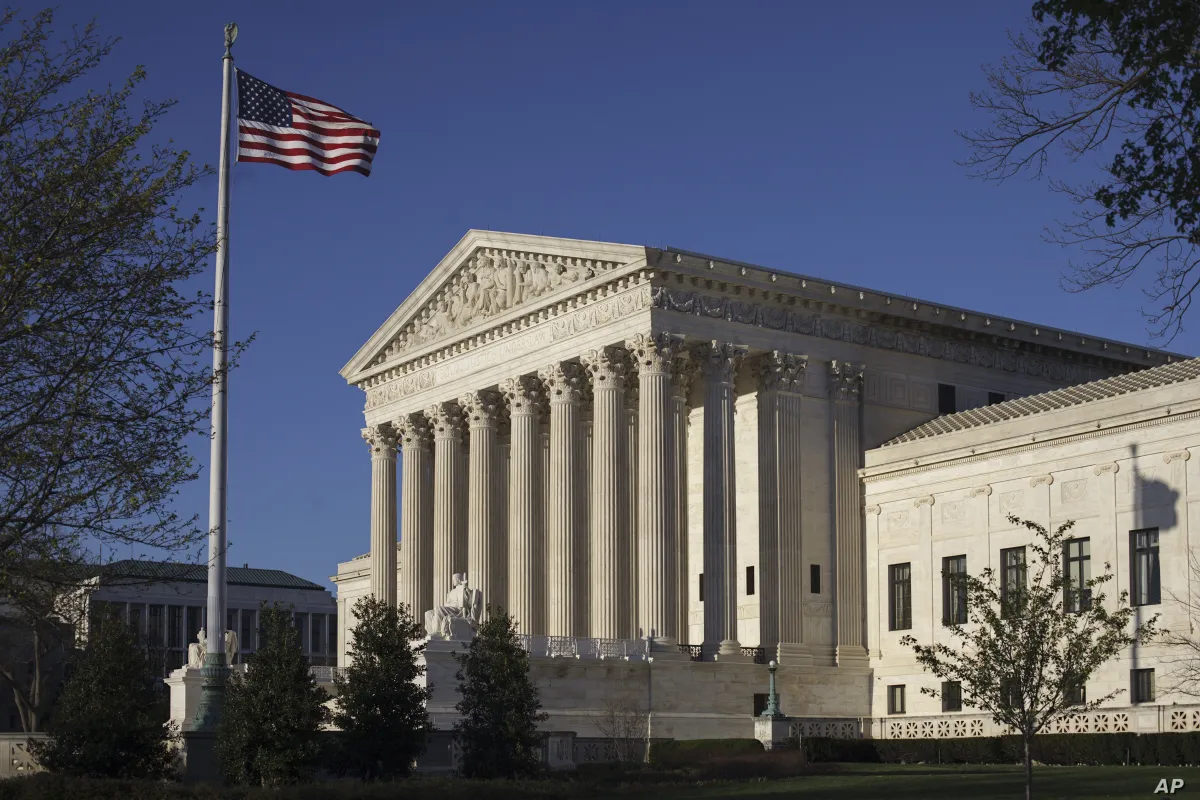 Photo: Supreme Court, via theglobepost.com
The turning point came with the Court's 2011 decision in AT&T Mobility v. Concepcion, which held that companies could use arbitration clauses to block class action lawsuits—even when state law prohibited such restrictions. Justice Antonin Scalia's majority opinion effectively gave corporations a roadmap for immunizing themselves from collective legal challenges, no matter how widespread the harm they caused.
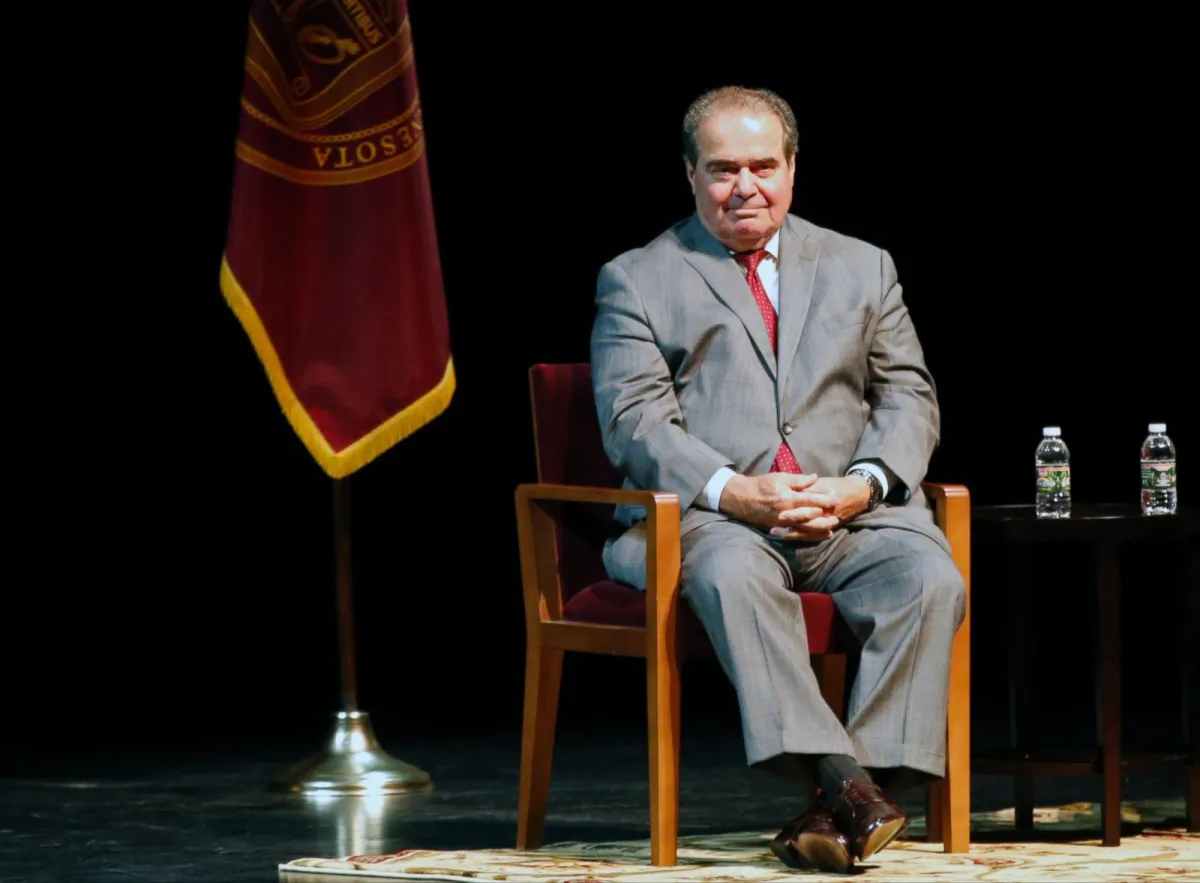 Photo: Justice Antonin Scalia, via s.abcnews.com
The decision's impact was immediate and devastating. Within years, corporations across every industry rushed to insert arbitration clauses into their contracts, often paired with class action waivers that ensure disputes must be resolved individually, in private, with arbitrators chosen and paid by the companies themselves.
Corporate defenders argue that arbitration is faster and cheaper than traditional litigation. This talking point crumbles under scrutiny. A 2019 study by the Economic Policy Institute found that employees win just 1.6% of employment arbitration cases, compared to a 36% success rate in federal court. When workers do prevail, their median award is less than one-fifth of what they would receive through the court system.
The Demographic Divide
The arbitration trap doesn't affect all Americans equally. Workers of color, women, and low-wage employees are disproportionately likely to be bound by these clauses, creating a two-tiered system of justice that reinforces existing inequalities.
Consider the case of sexual harassment claims. Before Congress passed the Ending Forced Arbitration of Sexual Assault and Sexual Harassment Act in 2022—one of the few successful challenges to the arbitration regime—countless survivors found themselves trapped in secretive proceedings where their abusers' employers controlled the process. The law's passage represented a rare victory, but it covers only a fraction of the disputes that arbitration clauses remove from public view.
Low-wage workers face particularly cruel ironies. Fast-food employees, retail workers, and gig economy drivers—precisely the workers most vulnerable to wage theft and workplace violations—are also most likely to be bound by arbitration agreements. When a McDonald's worker discovers systematic wage theft, or an Uber driver is misclassified as an independent contractor, they cannot band together to challenge these practices in court.
The Secrecy Problem
Perhaps most insidiously, arbitration proceedings are conducted in near-total secrecy. Unlike court cases, which create public records and legal precedents, arbitration awards are typically confidential. This opacity serves corporate interests in two ways: it prevents the public from learning about widespread misconduct, and it eliminates the deterrent effect that comes from public accountability.
When Wells Fargo created millions of fake accounts to meet sales quotas, or when Equifax exposed the personal data of 147 million Americans, the full scope of these scandals only emerged through traditional litigation and regulatory investigation. Under a pure arbitration regime, such corporate misconduct would remain hidden indefinitely.
 Photo: Wells Fargo, via wallpapers.com
Fighting Back
The good news is that the arbitration empire is not invincible. The Ending Forced Arbitration of Sexual Assault and Sexual Harassment Act proved that Congress can carve out exceptions when the political will exists. Senator Richard Blumenthal and Representative Hank Johnson have introduced the Forced Arbitration Injustice Repeal (FAIR) Act, which would restore Americans' right to choose between arbitration and the courts.
Several states have also pushed back. California has banned arbitration clauses in employment contracts for certain workers, while New York has prohibited them in nursing home agreements. These efforts face constant legal challenges from corporate interests, but they demonstrate that the arbitration trap is not inevitable.
The Path Forward
The arbitration crisis reflects a broader pattern in American law: the systematic tilting of the playing field toward concentrated corporate power at the expense of individual rights. Restoring balance will require more than piecemeal reforms.
Congress should pass the FAIR Act and eliminate mandatory arbitration across the board. The Supreme Court should revisit its arbitration jurisprudence and recognize that the 1925 Federal Arbitration Act was never intended to override fundamental constitutional protections. And voters should demand that their representatives choose sides: corporate immunity or democratic accountability.
Conclusion
The arbitration trap represents corporate power at its most cynical—using the law's complexity against ordinary people to escape the consequences of wrongdoing. Until we restore Americans' right to their day in court, corporate accountability will remain a promise deferred, and justice will be rationed according to wealth and power rather than distributed equally under law.