Justice in the Dark: How the Supreme Court's Shadow Docket Is Rewriting American Law Without a Single Public Hearing

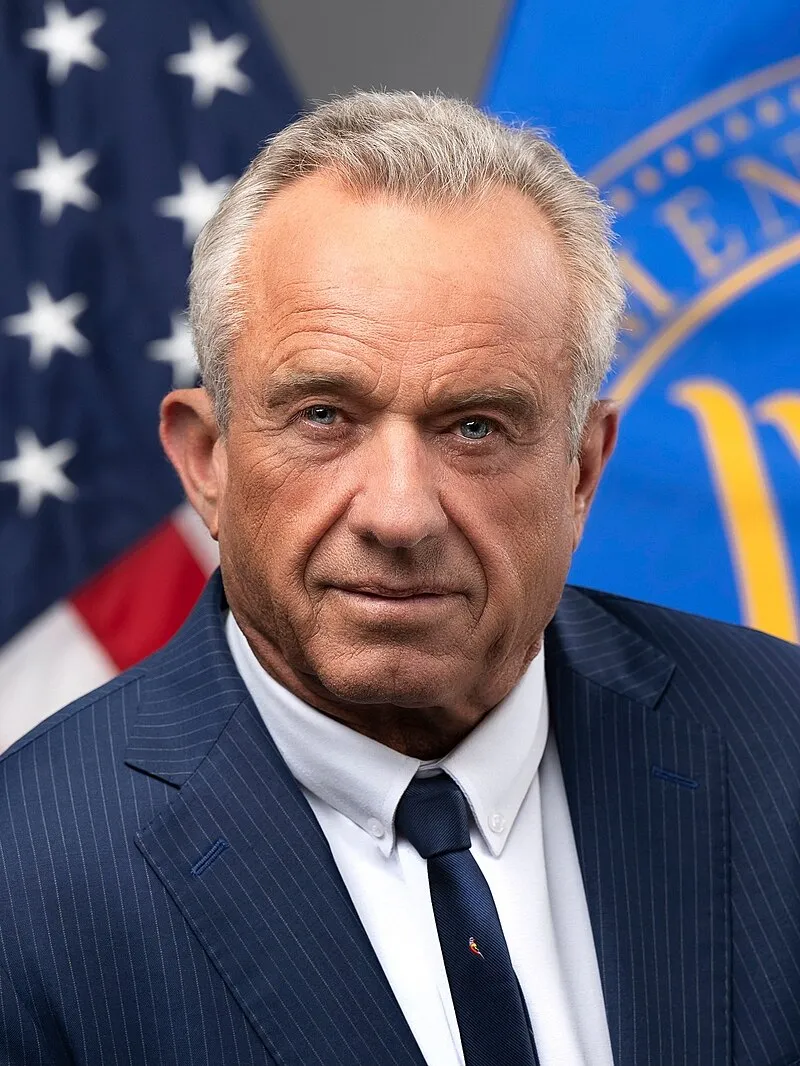
Photo of John Roberts, via Wikimedia Commons
The Court That Rules at Midnight
Most Americans picture the Supreme Court as a deliberative institution — nine justices, months of briefing, oral arguments broadcast to the public, and carefully reasoned opinions that explain, however one may agree or disagree with their conclusions, the legal basis for decisions that affect millions of lives. That picture is increasingly incomplete. Alongside the formal docket of argued cases, the Court maintains a parallel channel — referred to by legal scholars as the 'shadow docket' — through which it issues emergency orders and rulings that can be just as consequential as any signed opinion, but arrive without argument, without full briefing, and often without any explanation at all.
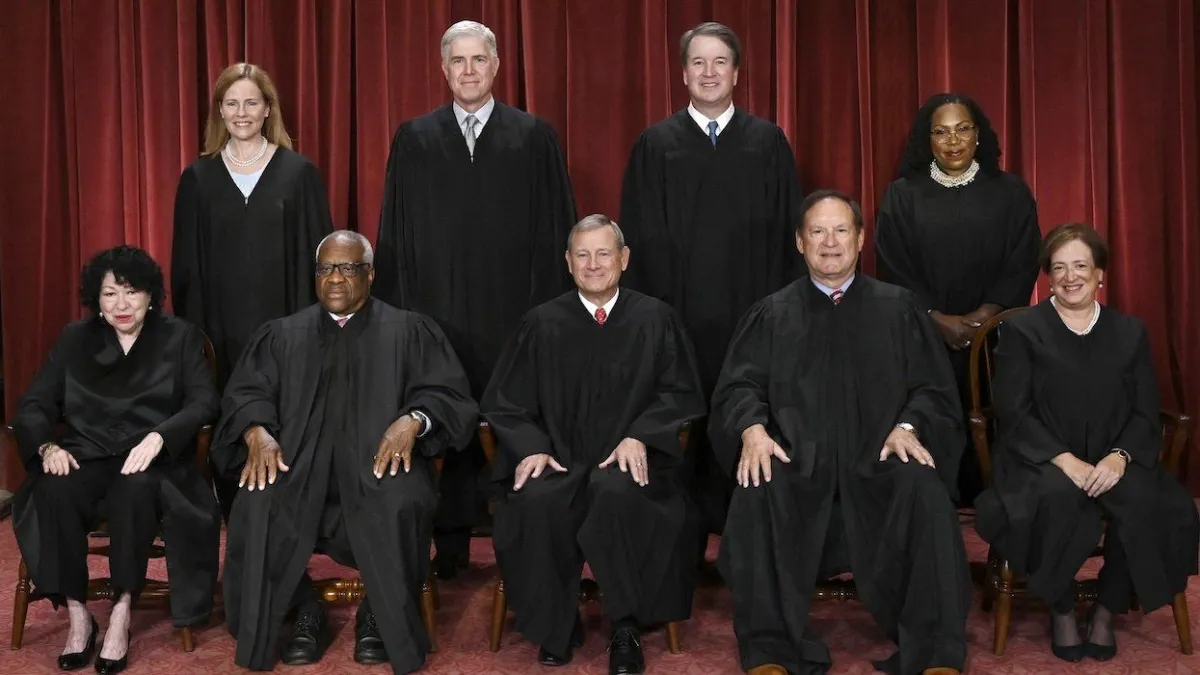 Photo: Supreme Court, via www.advocate.com
The use of this emergency mechanism is not new. What is new — and what has alarmed legal academics across the ideological spectrum — is the dramatic expansion of its use under the current conservative supermajority to resolve not routine administrative disputes but the most contested constitutional questions of our era.
What the Shadow Docket Actually Is
The term 'shadow docket' was coined by University of Chicago law professor William Baude in a 2015 law review article to describe the Court's non-merits orders — stays of lower court rulings, injunctions, emergency applications, and similar procedural actions that fall outside the formal argued-case process. For most of the Court's history, these orders were genuinely administrative: managing the pace of litigation, preventing irreparable harm while cases proceeded, clearing procedural blockages.
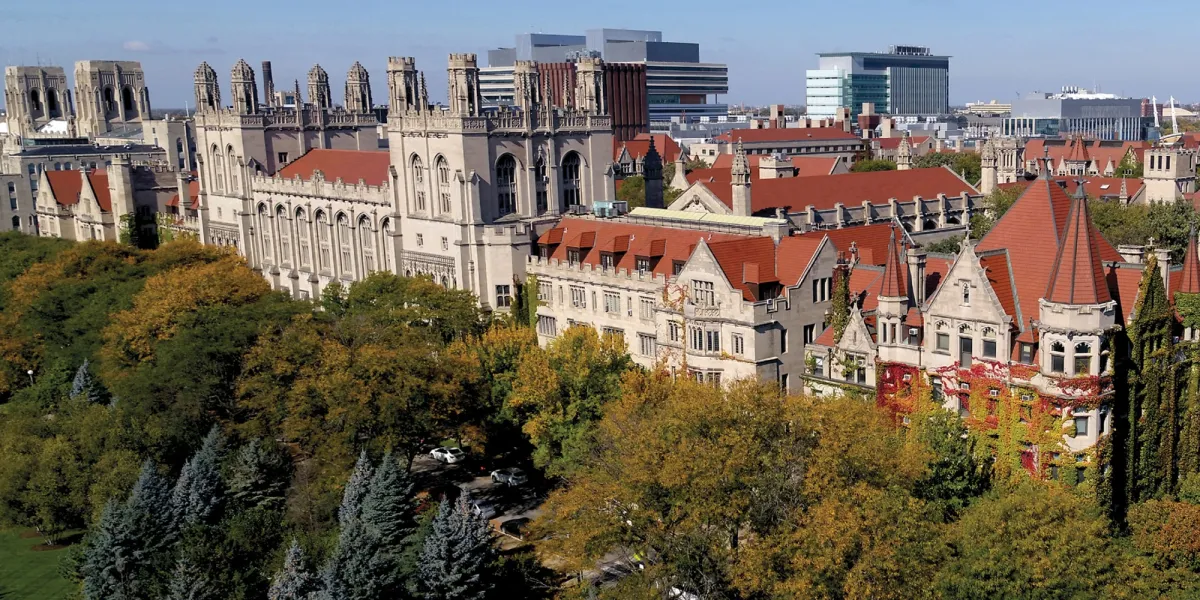 Photo: University of Chicago, via chicago-beautiful.com
Under the Trump administration's first term and continuing into the current judicial era, that changed. The government began filing emergency applications to the Supreme Court at a rate that dwarfed historical norms, and the Court's conservative majority began granting them — reshaping immigration enforcement, reinstating policies that lower courts had blocked, and altering the legal landscape on abortion access — all without the procedural safeguards that the formal docket requires.
Professor Stephen Vladeck of the University of Texas School of Law, one of the country's foremost authorities on the shadow docket, has documented this shift extensively. In his book on the subject, Vladeck notes that between 2001 and 2017, the government sought emergency relief from the Supreme Court a total of eight times. In the four years of the first Trump administration alone, it sought such relief forty-one times — and the Court granted it in a significant proportion of those cases, often within days and without explanation.
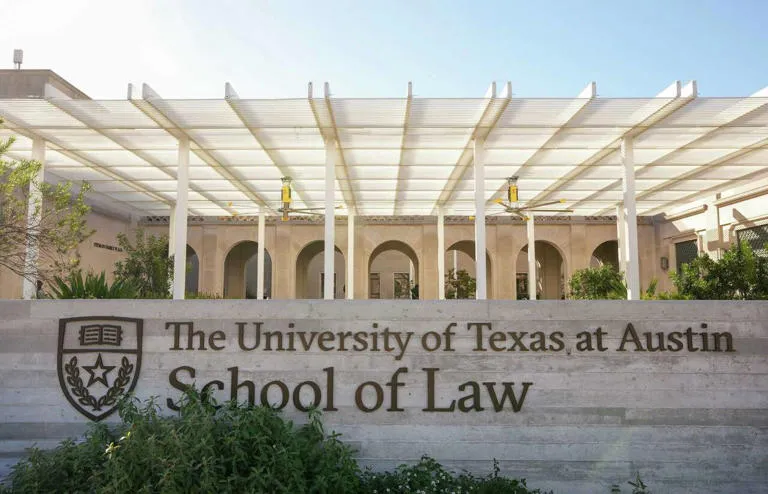 Photo: University of Texas School of Law, via img-s-msn-com.akamaized.net
Real Rulings, Real Consequences, No Public Record
The abstract procedural concern becomes concrete when you examine what the shadow docket has actually decided. In 2021, the Court allowed Texas's Senate Bill 8 — the six-week abortion ban that deputized private citizens to enforce restrictions on reproductive care — to remain in effect through an unsigned order issued at midnight, over a dissent from Justice Sonia Sotomayor that described the majority as 'burying' its reasoning. The law remained in effect for months, eliminating abortion access for millions of Texans, on the basis of an order that provided no legal analysis whatsoever.
In immigration, shadow docket orders have reinstated the 'Remain in Mexico' policy — formally the Migrant Protection Protocols — overriding a lower court ruling and the Biden administration's own policy determination, again without full briefing or argument. Asylum seekers were returned to dangerous conditions at the border while the legal question was notionally pending, a practical outcome that no formal ruling had yet authorized.
In the domain of executive power, emergency stays have blocked Biden-era vaccine mandates, environmental regulations, and public health measures — in each case, producing immediate, real-world effects on millions of Americans before any court had fully examined the underlying legal questions.
The Strongest Defense of the Practice
Conservative legal scholars and Court defenders offer a legitimate counterpoint: emergency relief has always existed, courts must sometimes act quickly to prevent irreparable harm, and the alternative — allowing challenged policies to remain in effect while litigation drags on for years — has its own costs. The argument is not frivolous. There are genuine cases where a stay pending appeal is the appropriate, proportionate response to a lower court error.
The problem is not the existence of emergency procedures. It is the Court's willingness to use those procedures to resolve contested constitutional questions on a compressed timeline, without the deliberative process that generates reasoned precedent, and with an asymmetry that tends to favor one ideological direction. When the mechanism consistently produces outcomes that the conservative majority could not achieve as quickly through the formal docket — and does so without the explanatory obligation that signed opinions require — the procedural justification becomes difficult to sustain on its own terms.
Democratic Accountability and the Absent Record
The deeper problem is structural. The formal docket produces opinions — reasoned, signed, publicly argued documents that lower courts, legislators, and the public can read, evaluate, and respond to. Even when the reasoning is contested, it creates a record. The shadow docket produces outcomes without reasoning, which means there is no text to analyze, no logic to challenge, no basis for lower courts to understand what principle they are supposed to apply going forward.
Justice Elena Kagan, dissenting in a 2021 case involving emergency pandemic relief, wrote that the majority was 'making itself the most powerful court in the country's history' through a process that 'does not have the transparency and deliberation' that major rulings require. That critique — from inside the Court itself — reflects a concern that transcends ordinary ideological disagreement. It is a concern about institutional legitimacy.
What Reform Would Require
Congressional Democrats have introduced legislation that would require the Court to provide written reasoning for shadow docket orders above a certain threshold of significance, and to allow a minimum period for briefing before granting emergency stays in constitutional cases. These proposals have gone nowhere in a divided Congress, but they represent the kind of structural accountability reform that the moment demands.
The Supreme Court's legitimacy rests not only on the correctness of its decisions but on the transparency and deliberation of the process by which it reaches them. A court that reshapes the constitutional rights of millions at midnight, without argument or explanation, is not exercising judicial power in the way that democratic governance requires. It is exercising something closer to administrative fiat — and doing so from behind a procedural curtain that the public cannot see through.
Democracy requires not just that the law be applied, but that it be applied openly, with reasoning that the governed can scrutinize. The shadow docket, as currently deployed, fails that test — and the consequences for accountability are as serious as any individual ruling it has produced.