Injured and Ignored: How America's Vaccine Compensation System Betrays the Families It Was Built to Protect
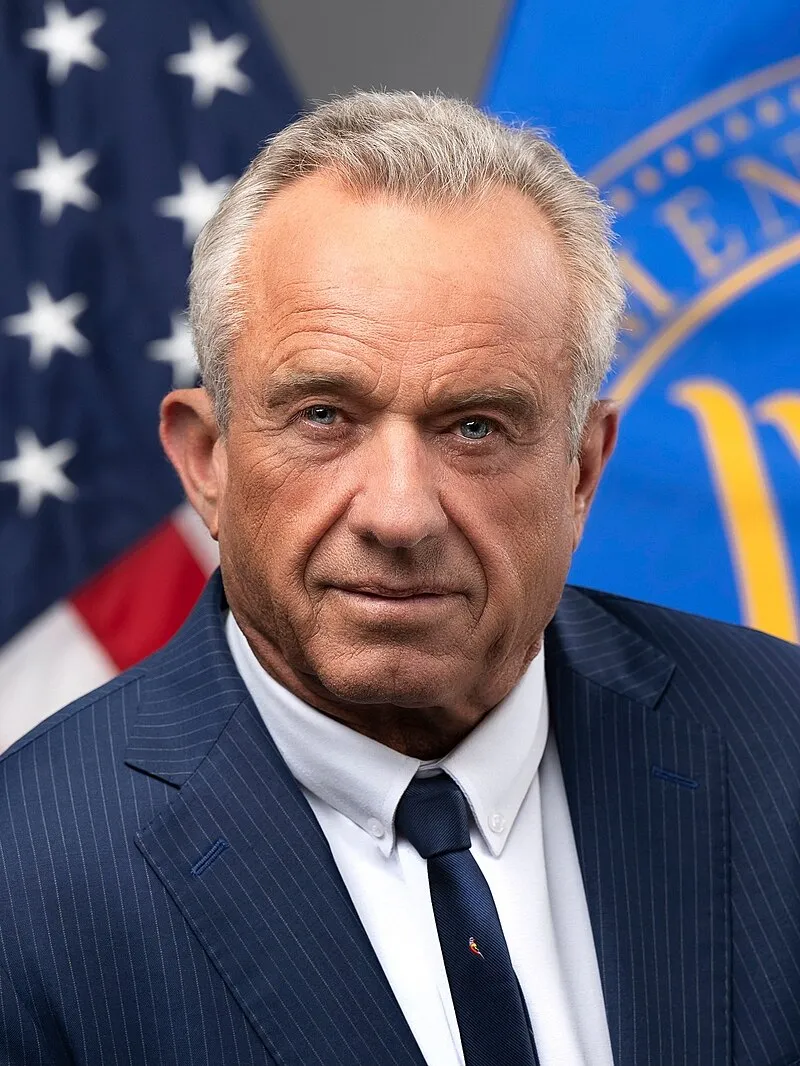
Photo of Robert F. Kennedy Jr., via Wikimedia Commons
A Compromise That Left the Injured Behind
In 1986, Congress faced a genuine policy dilemma. Vaccine manufacturers, confronting a wave of lawsuits over the whole-cell pertussis vaccine — some claims legitimate, many scientifically dubious — were threatening to exit the childhood vaccine market entirely. The public health stakes were real: a withdrawal of manufacturers could have created serious supply disruptions for vaccines that had transformed childhood mortality in the United States. Congress responded by passing the National Childhood Vaccine Injury Act, which created the National Vaccine Injury Compensation Program (VICP) — a federal no-fault system intended to provide swift, fair compensation to families of children who suffered genuine vaccine-related injuries, while shielding manufacturers from direct civil liability.
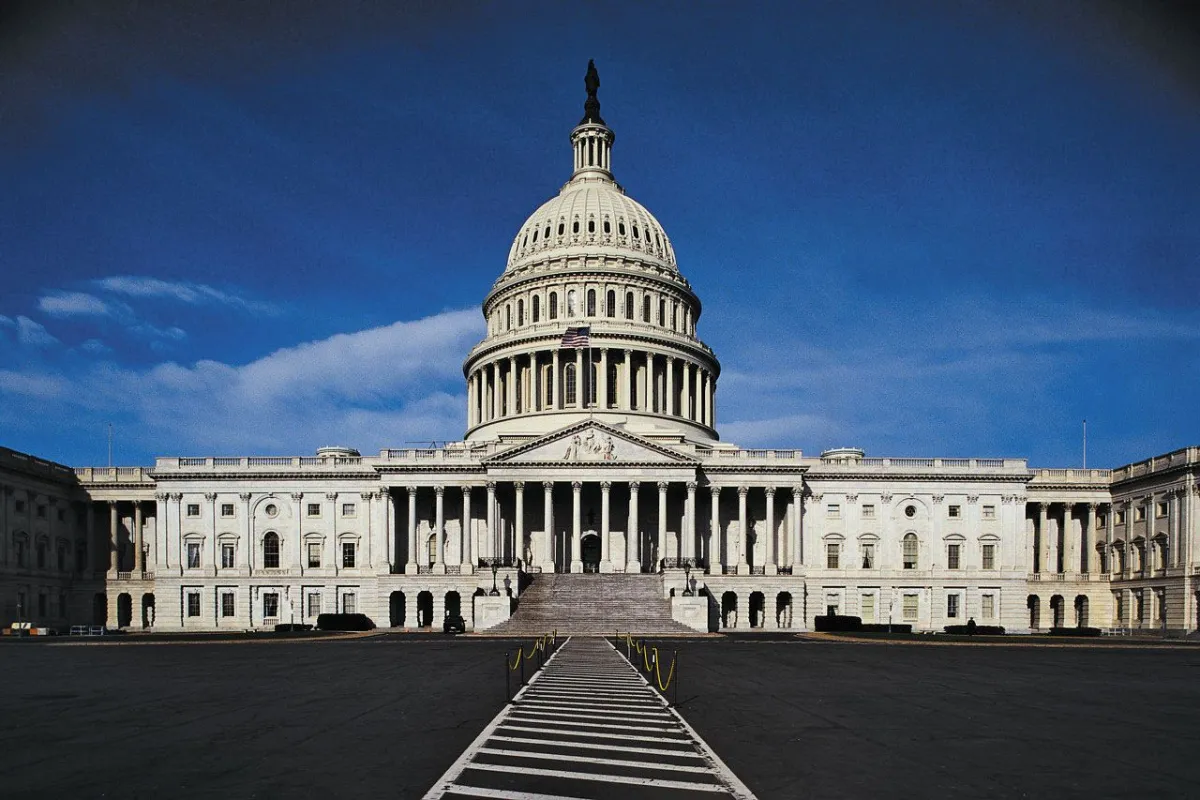 Photo: United States, via cdn.britannica.com
The legislative bargain was defensible in principle. No-fault compensation systems exist in other contexts — workers' compensation, for example — and the logic of creating a dedicated fund to handle rare adverse events without requiring plaintiffs to prove manufacturer negligence has genuine merit. The problem is not the concept. The problem is what the VICP became in practice: a system so burdened by procedural complexity, evidentiary demands, and adversarial government lawyering that it routinely fails the families it was designed to serve.
How the System Actually Works — and Doesn't
The VICP operates through the U.S. Court of Federal Claims, using special masters — attorneys appointed by the court — to adjudicate claims. Petitioners who allege a vaccine-related injury must either demonstrate that their injury appears on the "Vaccine Injury Table" — a list of recognized adverse events associated with specific vaccines — or prove causation through medical and scientific evidence. Table injuries receive a presumption of compensation; off-table claims require petitioners to establish a biologically plausible mechanism linking the vaccine to the injury.
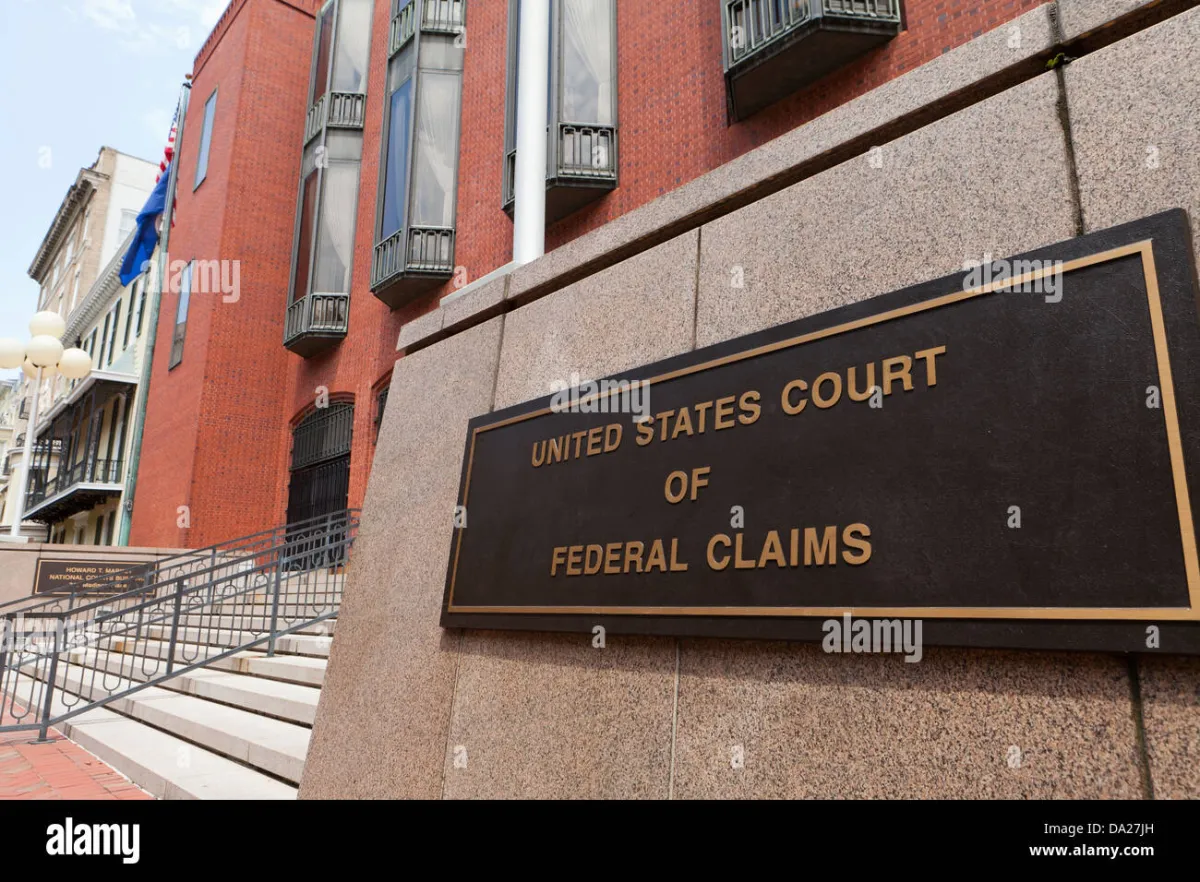 Photo: U.S. Court of Federal Claims, via c8.alamy.com
In theory, this is a reasonable framework. In practice, the Vaccine Injury Table has not been comprehensively updated in years, meaning that the list of presumptively compensable injuries is increasingly out of step with evolving medical understanding. Families whose children suffer genuine injuries that don't appear on the table are forced into an adversarial proceeding in which the Department of Health and Human Services — the very agency that recommends and promotes vaccines — acts as the opposing party, represented by Department of Justice attorneys whose institutional incentive is to minimize payouts.
The process is slow, expensive, and exhausting. According to data from the Health Resources and Services Administration, which administers the VICP, cases have historically taken years to resolve. Families navigating the system often do so without adequate legal support; while attorneys' fees are technically compensable from the Vaccine Injury Compensation Trust Fund, the complexity of the proceedings means that many families struggle to find qualified counsel willing to take cases with uncertain outcomes.
Since the program's inception through 2023, the VICP has compensated approximately 10,000 petitioners and paid out roughly $5 billion in damages. That sounds substantial until you consider that more than 10,000 additional claims were dismissed — and that the compensation fund is financed by an excise tax on vaccines, meaning that the financial burden ultimately falls on the public rather than the manufacturers whose products are at issue.
The Gap Between Intent and Outcome
The original legislation promised families a system that was "less adversarial, less expensive, and less time-consuming" than civil litigation. That promise has not been kept. A 2014 report by the Government Accountability Office found that average case processing times exceeded two years, and that the complexity of proceedings had increased substantially. Subsequent years have not seen meaningful improvement.
The families who fall through the cracks are not abstractions. They are parents who watched their children suffer a documented adverse event, sought compensation through the system Congress created for exactly that purpose, and were told — sometimes after years of waiting and thousands of dollars in legal costs — that their evidence was insufficient. They are left without compensation, without acknowledgment, and without the resources needed to manage complex, ongoing medical needs.
This is not an argument against vaccines. The scientific consensus on vaccine safety and efficacy is unambiguous, and it is important to state that clearly. The vast majority of vaccines administered in the United States are safe, effective, and responsible for preventing diseases that once killed and disabled hundreds of thousands of Americans every year. A well-functioning compensation system for the rare cases of genuine adverse events is not a concession to anti-vaccine ideology — it is a pillar of the public health compact. When people know that the government will treat them fairly if something goes wrong, they are more willing to participate in immunization programs. A broken compensation system undermines that compact.
How Dysfunction Fuels Distrust
This is precisely why the VICP's failures matter beyond the individual families affected. The anti-vaccine movement — which has caused measurable harm to public health through declining immunization rates and the resurgence of preventable diseases — regularly points to the existence of the VICP as evidence that vaccines are dangerous and that the government is hiding the truth. This argument is made in bad faith and rests on a fundamental misrepresentation: the existence of a compensation program for rare adverse events is not evidence of widespread harm, any more than the existence of workers' compensation is evidence that all workplaces are dangerous.
But the dysfunction of the VICP gives this bad-faith argument a foothold it should not have. When legitimate families with legitimate claims are denied compensation after years of bureaucratic exhaustion, their stories become raw material for anti-vaccine advocacy. The failure to treat injured people fairly does not just harm those individuals — it creates a credibility gap that bad actors exploit to undermine confidence in immunization broadly.
Reforming the VICP is therefore not only a matter of justice for injured families. It is a public health imperative. A system that works — that compensates genuine injuries promptly, fairly, and without requiring families to spend years in adversarial proceedings — would do more to sustain public trust in vaccines than any amount of counter-messaging.
What Reform Would Require
Advocates including the Vaccine Injured Petitioners Bar Association and a range of patient advocacy organizations have called for a series of concrete reforms: regular, evidence-based updates to the Vaccine Injury Table; shorter statutory deadlines for case resolution with meaningful enforcement; increased compensation caps that reflect current medical costs and the long-term care needs of seriously injured individuals; and structural changes to reduce the adversarial character of proceedings in which the government simultaneously promotes vaccines and defends against compensation claims.
Some have argued for separating the advocacy and adjudication functions entirely — creating a genuinely independent compensation body rather than one housed within an agency that has an institutional interest in minimizing payouts. Others have called for expanded access to legal aid for petitioners who cannot afford specialized counsel.
None of these reforms require weakening vaccine policy or accepting scientifically unfounded claims about vaccine safety. They require only that the United States keep the promise it made in 1986 — that families who suffer genuine harm in the course of participating in a public health program will be treated with fairness, dignity, and reasonable speed.
The Verdict
A government that asks its citizens to trust public health institutions has an obligation to honor that trust with a compensation system that actually works — and the longer Congress allows the VICP to function as a bureaucratic maze rather than a genuine safety net, the more ground it cedes to the bad-faith actors who profit from public distrust.